Introduction
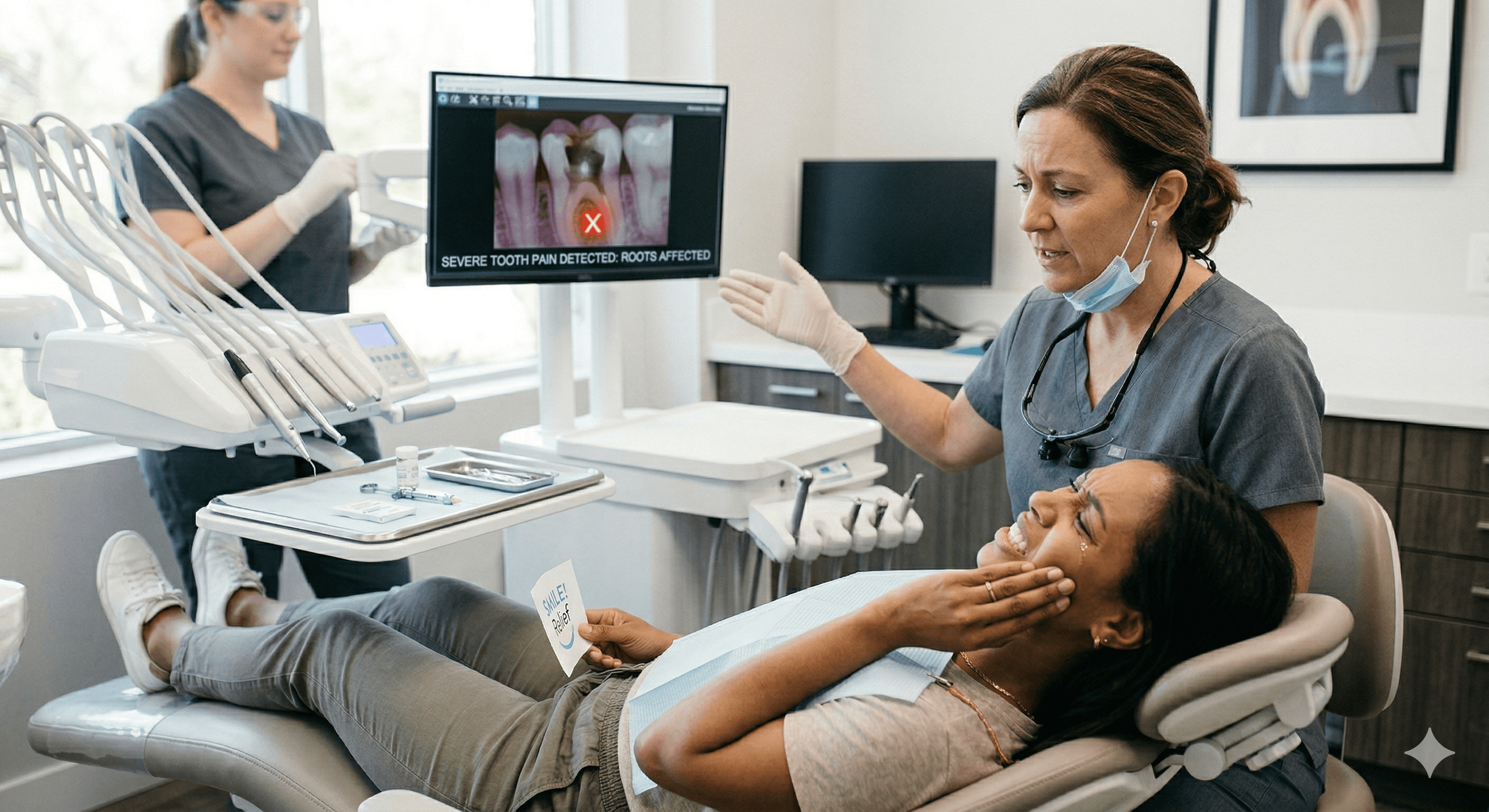
Tooth loss is more common than many people realize and can affect individuals of all ages due to decay, gum disease, or traumatic injury. Missing teeth can deeply impact your ability to chew comfortably, speak clearly, and smile with confidence in your daily life at a dental clinic in Borivali West.
For decades, traditional bridges and removable dentures were the only options available. While helpful, they often came with compromises regarding comfort, stability, and long-term bone health for patients searching for a dentist near Kandivali and Dahisar.
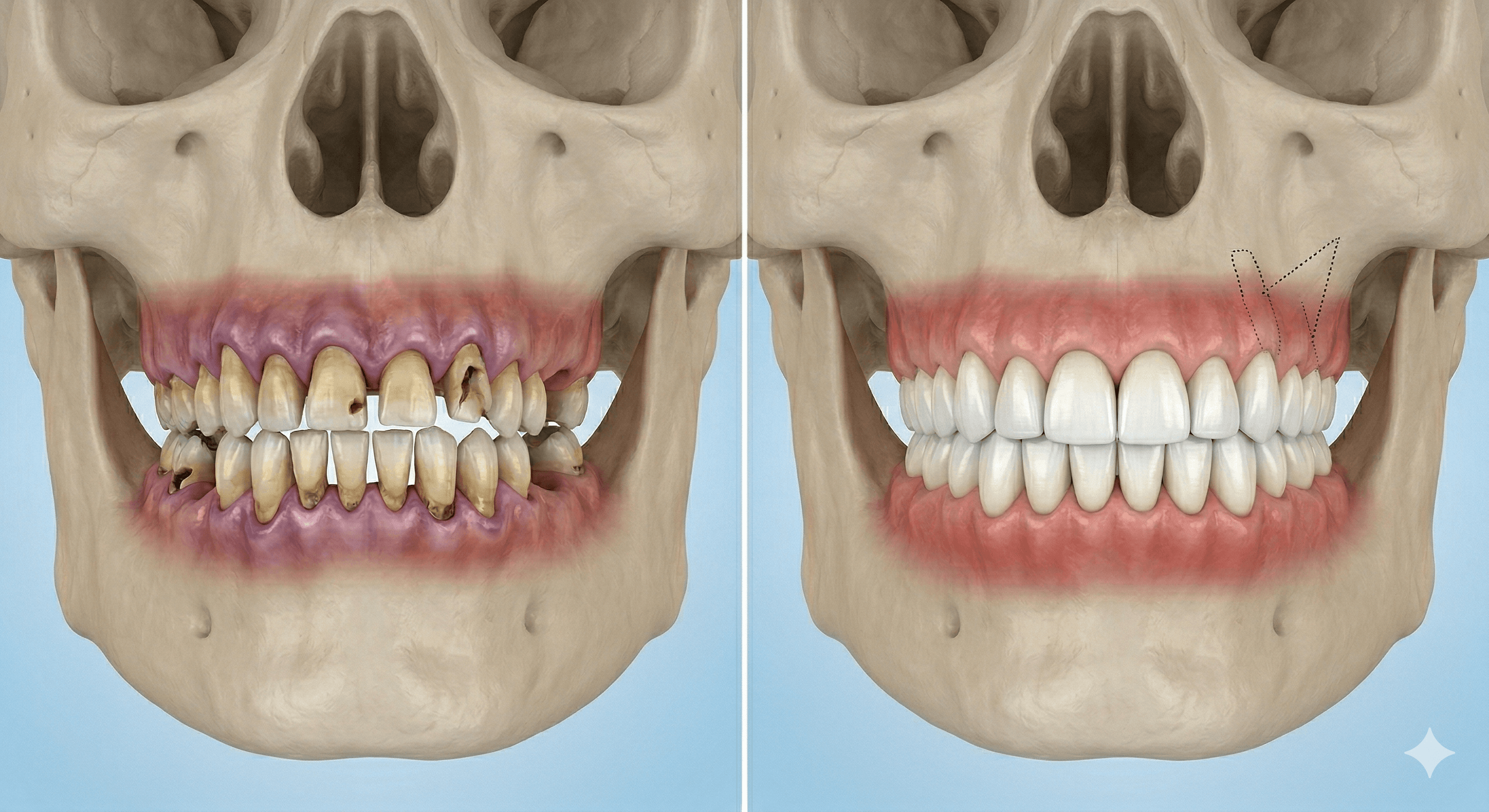
Today, modern dentistry offers dental implants as a highly advanced and long-lasting solution in Borivali West. These implants closely replicate the biological structure and mechanical function of natural teeth, restoring both your appearance and your overall oral health in a way no other treatment can.
Understanding Dental Implants
At their core, dental implants are artificial tooth roots made from medical-grade titanium. They are surgically placed into the jawbone beneath the gums to provide a sturdy, immovable foundation for replacement teeth at a dental clinic in Borivali West.
Titanium is uniquely biocompatible, meaning the human body accepts it without treating it as a foreign object. This property is what makes the implant process so highly successful. A complete dental implant restoration consists of three main components:
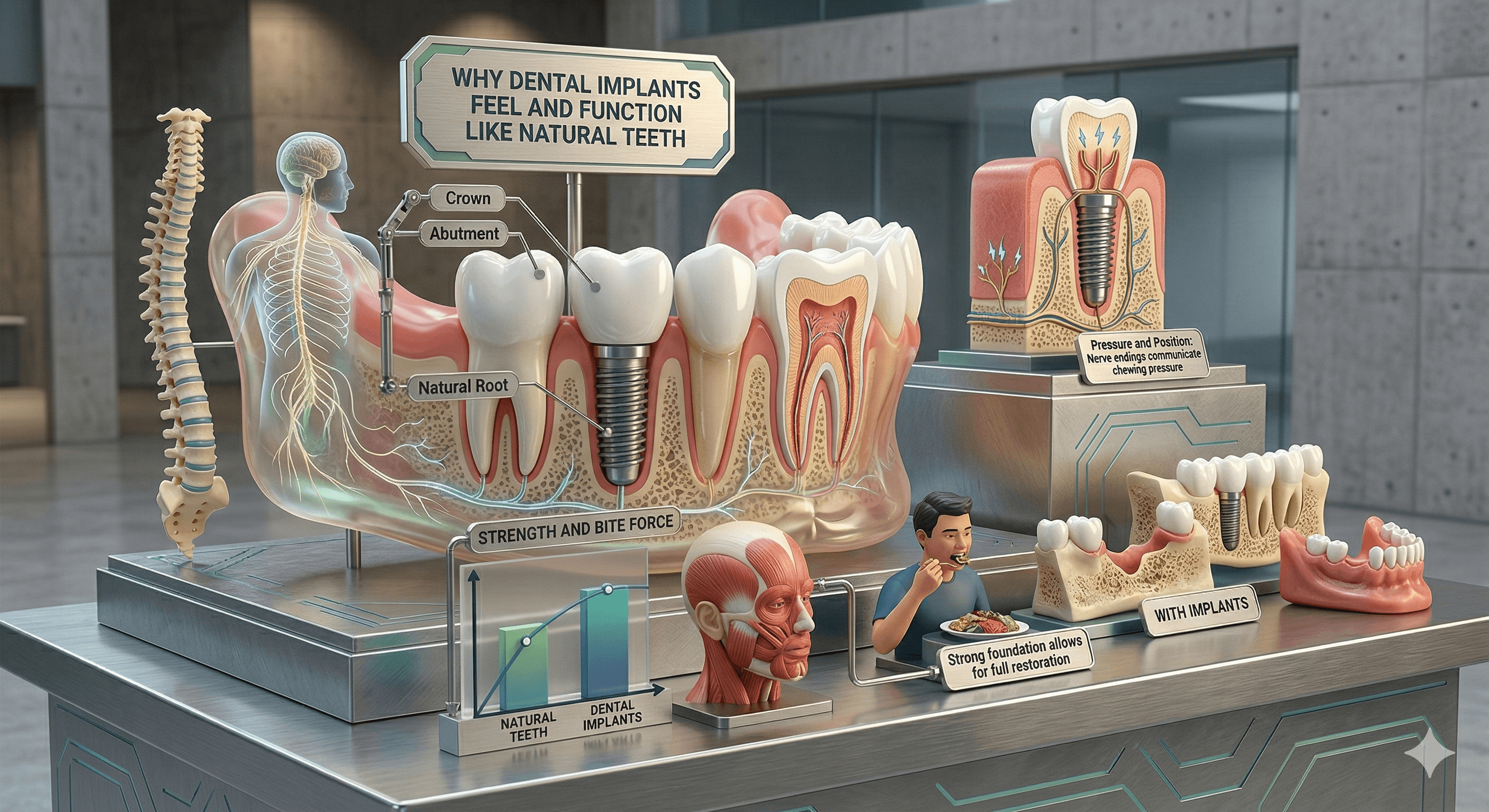
Implant Fixture: The titanium screw placed directly into the jawbone, acting as the new root.
Abutment: The connector piece that sits just above the gumline, securely linking the implant to the crown.
Dental Crown: The custom-made, visible tooth-like structure that handles chewing and provides a natural aesthetic.
Why Dental Implants Feel So Natural
1. They Replace the Entire Tooth Structure
Unlike traditional dentures that rest entirely on the gums, or bridges that rely on adjacent teeth for support, implants replace both the hidden root and the visible crown of the tooth. This holistic replacement provides full support and structural stability that feels identical to the tooth you lost with dental implants in Borivali West.
2. Strong Integration With the Jawbone
The secret behind the natural feel of implants is a biological process called osseointegration. Over a few months, the living bone tissue in your jaw actually grows around and fuses to the microscopic grooves on the titanium implant. This creates a permanent, structural bond with treatment from a dental implant specialist in Borivali.
Unmatched structural stability in the mouth
Long-term durability that can last a lifetime
Restoration of natural bite force
Strong chewing ability comparable to natural teeth
3. Natural Appearance and Customization
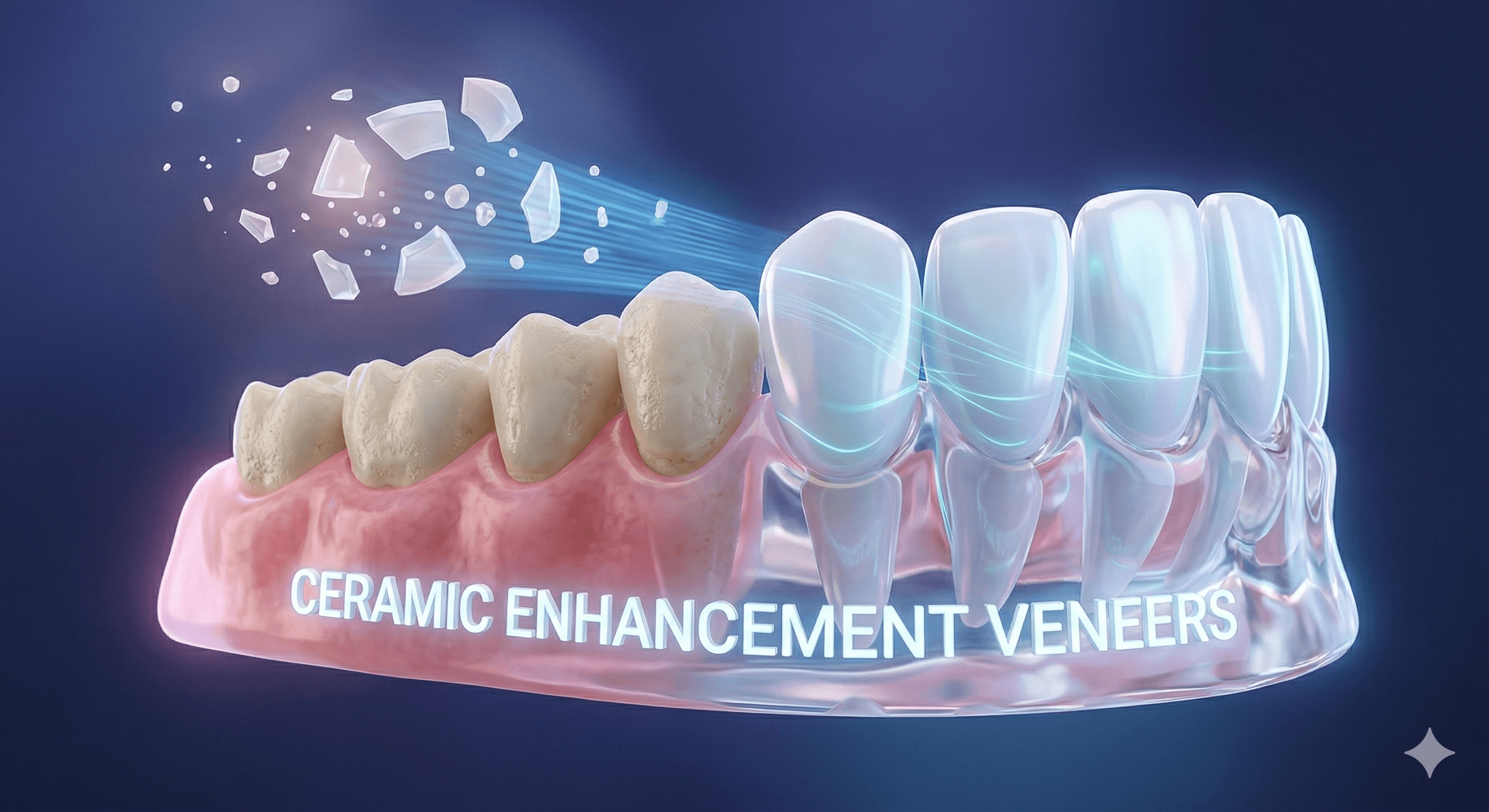
Dental crowns attached to implants are not one-size-fits-all. They are meticulously customized in a dental laboratory to perfectly match the color, translucency, shape, and alignment of your surrounding natural teeth, making the implant virtually indistinguishable from the rest of your smile at a trusted dental clinic in Borivali West.
4. Restores Natural Chewing Function
Because they are anchored in bone, implants allow you to bite and chew with nearly the same force as natural teeth. You won't have to avoid your favorite foods anymore with dental implants in Borivali West.
Allows eating crunchy and hard foods like apples and nuts
Restores up to 90% of natural chewing strength
Supports a balanced, healthy diet without dietary restrictions
5. Stability That Prevents Movement
One of the biggest complaints among traditional denture wearers is the slipping and shifting of the appliance. Implants eliminate this problem entirely for patients visiting a dental clinic in Borivali West.
No slipping, sliding, or shifting while eating or speaking
No embarrassing clicking sounds
No need for messy dental adhesives or pastes
6. Protection Against Bone Loss
When you lose a tooth, the jawbone in that area stops receiving stimulation from chewing and begins to resorb, or melt away. This can cause a sunken facial appearance over time. Dental implants act as artificial roots, stimulating the jawbone to keep it healthy, dense, and intact, thereby maintaining your natural facial structure at a dental clinic in Borivali West.
Dental Implants vs. Traditional Bridges and Dentures
While bridges and dentures are viable options, they have drawbacks. A dental bridge requires the dentist to file down adjacent, perfectly healthy teeth to support the bridge. Removable dentures can accelerate bone loss and often fit poorly over time as the jaw shape changes. Implants are a self-supporting solution that protects adjacent teeth and preserves the underlying bone for patients in Borivali West.
Types of Dental Implant Solutions
Single Tooth Implant: Replaces one missing tooth independently without altering neighboring teeth.
Implant-Supported Bridge: Replaces several consecutive missing teeth using two or more implants as anchors.
All-on-4 / Full Arch Implants: Replaces an entire upper or lower arch of teeth using just four to six strategically placed implants.
Are You a Good Candidate for Dental Implants?
Most adults who have lost a tooth are excellent candidates for implants at a dental clinic in Borivali West. Ideal candidates should have:
Sufficient jawbone density to anchor the implant (or be eligible for a bone graft)
Healthy gum tissues free of active periodontal (gum) disease
Good overall health, free from conditions that severely impair bone healing
A commitment to excellent daily oral hygiene and regular dental visits
The Dental Implant Treatment Process
Getting a dental implant is a journey that requires patience, as the biological healing process cannot be rushed. The standard protocol includes treatment planning at a dental clinic near Kandivali and Dahisar:
Initial Consultation: Comprehensive evaluation using 3D imaging (CBCT) to map the jawbone.
Implant Placement Surgery: A minor surgical procedure to place the titanium post into the bone.
Healing Period (Osseointegration): Typically 3 to 6 months where the bone fuses to the implant.
Abutment Placement: Attaching the connector piece once the implant is solidly fused.
Final Crown Placement: Securing the custom-made, lifelike crown to complete the restoration.
Advantages of Dental Implants
Long-lasting durability, often lasting a lifetime with proper care
Preserves the health and structure of adjacent natural teeth
Maintains jawbone health and prevents facial sagging
Improves daily comfort and speech clarity
Dramatically enhances self-esteem and social confidence
Caring for Dental Implants
While the implant itself cannot get cavities, the surrounding gums can still become infected. Caring for your implants is just as easy as caring for your natural teeth at a dental clinic in Borivali West:
Brush twice daily using a soft-bristled toothbrush and non-abrasive toothpaste
Floss daily or use a water flosser to clean around the implant base
Visit your dentist every six months for professional cleanings and checkups
Avoid chewing on ice, hard candies, or using your teeth as tools to open packaging
Why Experience Matters in Implant Dentistry
Dental implant placement is a highly precise surgical procedure. Success depends heavily on meticulous planning, an understanding of facial anatomy, and the use of advanced digital technology by a dental implant specialist in Borivali.
Experienced implant specialists use 3D guided surgery to ensure the implant is placed at the exact perfect angle and depth. Choosing a highly qualified professional ensures a safe procedure, minimizes the risk of complications, and guarantees optimal aesthetic and functional long-term results at a trusted dental clinic in Borivali West.
Conclusion
Dental implants represent the pinnacle of modern restorative dentistry. By closely replicating the root-to-crown structure of natural teeth, they provide unmatched stability, function, and aesthetics. They are undoubtedly the most reliable and biologically sound solution for restoring missing teeth with dental implants in Borivali West.
With proper oral care and expert guidance from a qualified dental team, dental implants can help you reclaim your smile, restore your confidence, and significantly enhance your overall quality of life at a dental clinic near Kandivali and Dahisar.
Frequently Asked Questions (FAQs)
How long do implants last?
With proper care, the implant post can last a lifetime, while the crown may need replacement every 10-15 years due to normal wear at a dental clinic in Borivali West.
Are implants safe?
Yes, when performed by a qualified professional, it is one of the safest and most predictable procedures in dentistry with a success rate of up to 98% at a dental clinic in Borivali West.
Is the procedure painful?
Most patients report minimal discomfort, often less than a tooth extraction, easily managed with local anesthesia and over-the-counter pain relievers by a dental implant specialist in Borivali.
How long does the entire treatment take?
The complete process, including healing time for bone integration, typically spans 3 to 6 months at a dental clinic near Kandivali and Dahisar.
Can smokers get implants?
Yes, but smoking significantly increases the risk of implant failure and delays healing. Dentists strongly advise quitting before and after the procedure in Borivali West.
Can implants replace multiple teeth?
Absolutely. Implants can support bridges or even full arches of teeth, meaning you don't need one implant for every missing tooth with dental implants in Borivali West.
Do implants look natural?
Yes, the final restorations are custom-crafted from high-quality porcelain or zirconia to perfectly match your natural teeth at a trusted dental clinic in Borivali West.
Are implants better than dentures?
Yes, because they do not slip, they restore full chewing power, and they preserve jawbone health better than many traditional options in Borivali West.
How to clean implants?
You clean them exactly like natural teeth—by brushing, flossing, and attending regular dental checkups with your dentist in Borivali West.
Can implants fail?
It is rare, but failure can occur due to poor oral hygiene, smoking, or uncontrolled diabetes leading to peri-implantitis (gum infection around the implant) even when treated at a dental clinic near you in Borivali.
What age is suitable?
Implants are suitable for adults of any age, provided their jawbone has fully stopped growing (usually by late teens or early twenties) with treatment from a dentist in Borivali West.
Do implants improve facial appearance?
Yes, by preventing the jawbone deterioration that causes the lower face to look sunken or prematurely aged, dental implants in Borivali West can support facial structure.
Are implants expensive?
They have a higher upfront cost than dentures or bridges, but their longevity makes them the most cost-effective solution over a lifetime for patients considering the cost of dental implants in Borivali.
What is the recovery time?
Surgical recovery is very quick. Most patients return to work and normal light activity within 1 to 2 days after treatment at a dental clinic in Borivali West.
Do implants need special care?
No special pastes or soaking routines are needed. Good old-fashioned daily brushing and flossing are all it takes, along with routine visits to a dental clinic in Borivali West.