Introduction
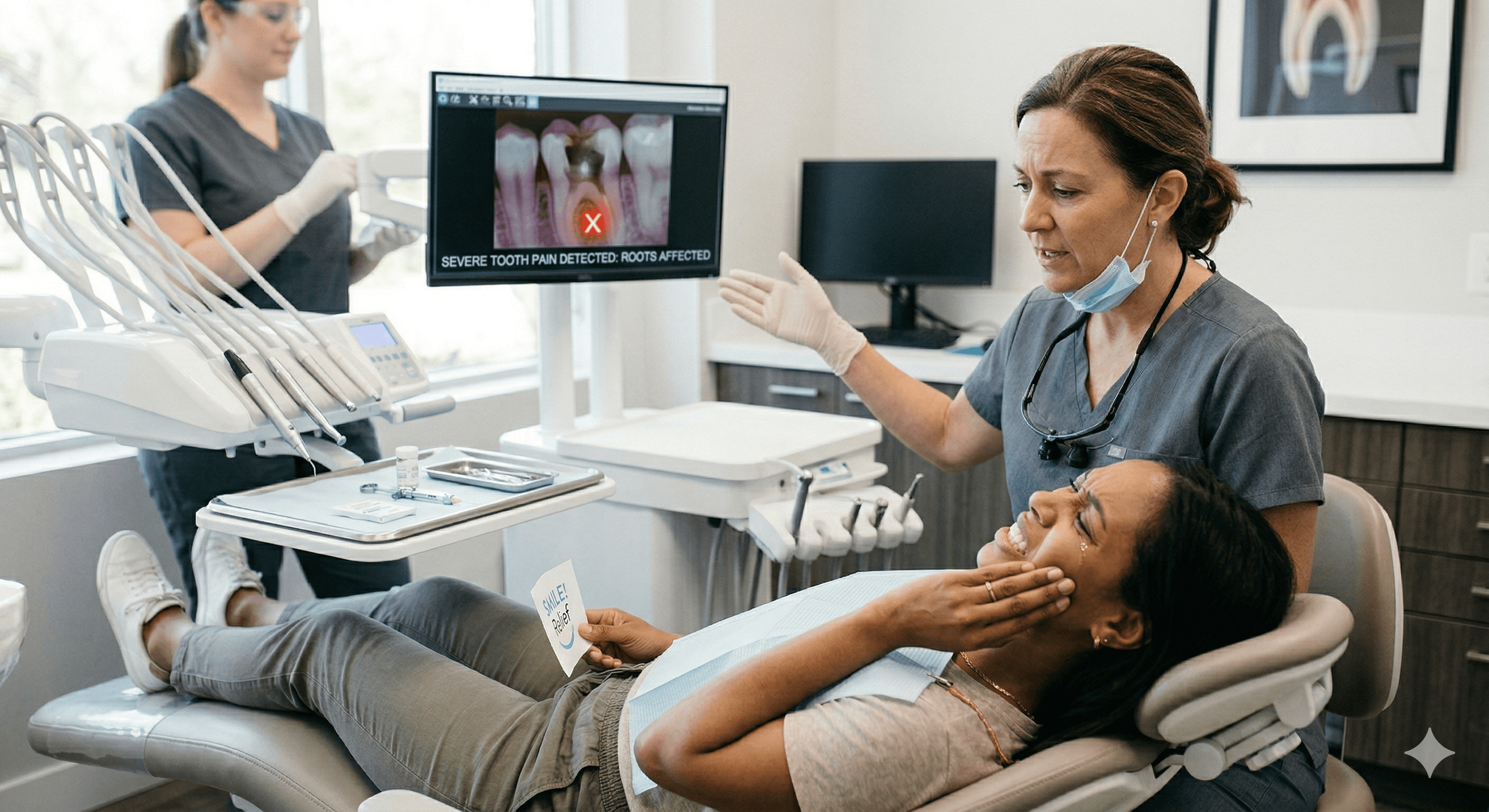
Healthy teeth are essential for everyday activities that we often take for granted, like chewing food comfortably, speaking clearly, and smiling without hesitation. However, our teeth endure incredible amounts of stress over a lifetime. Dental problems such as severe decay, traumatic fractures, heavily worn enamel, and missing teeth can drastically affect both the function of your mouth and the aesthetic appearance of your smile.
Beyond physical discomfort, dental issues can take a significant emotional toll. Hiding your smile in photos, avoiding social gatherings, or passing on your favorite foods due to pain can diminish your overall quality of life.
This is where restorative dentistry steps in. Restorative dentistry is a specialized field focused on repairing damaged teeth, replacing missing ones, and restoring proper biomechanical oral function to bring back your comfort, health, and self-confidence.
What Is Restorative Dentistry?
While cosmetic dentistry primarily focuses on improving the visual aesthetics of a smile, restorative dentistry is primarily concerned with health and function—though modern restorative treatments are designed to look beautifully natural as well. It is a comprehensive branch of dental care that focuses on diagnosing, managing, and treating diseases of the teeth and their supporting structures.
The primary goals of restorative dentistry include:
Restoring the structural integrity of weakened or decayed teeth
Replacing one or more missing teeth to prevent bite collapse
Improving maximum chewing ability and bite force
Restoring a natural, youthful facial appearance
Enhancing overall systemic and oral health
Common Dental Problems Requiring Restoration
Several common issues can compromise the health of your smile, requiring restorative intervention:
**Tooth Decay (Cavities):** Caused by plaque bacteria that produce acids, eating away at tooth enamel. If left untreated, decay can reach the inner nerve, causing severe pain.
**Broken or Cracked Teeth:** Often the result of sports injuries, biting down on hard objects like ice or hard candies, or weakened enamel from large old fillings.
**Missing Teeth:** Whether lost to severe gum disease, extraction, or trauma, missing teeth can cause neighboring teeth to shift and lead to jawbone loss.
**Severely Worn Teeth:** Chronic teeth grinding (bruxism), acid reflux, or a highly acidic diet can aggressively wear down the chewing surfaces of teeth, leading to sensitivity and a collapsed bite.
Common Restorative Dentistry Treatments
Thanks to advancements in dental technology and materials, dentists now have a wide array of treatments to rebuild your smile:
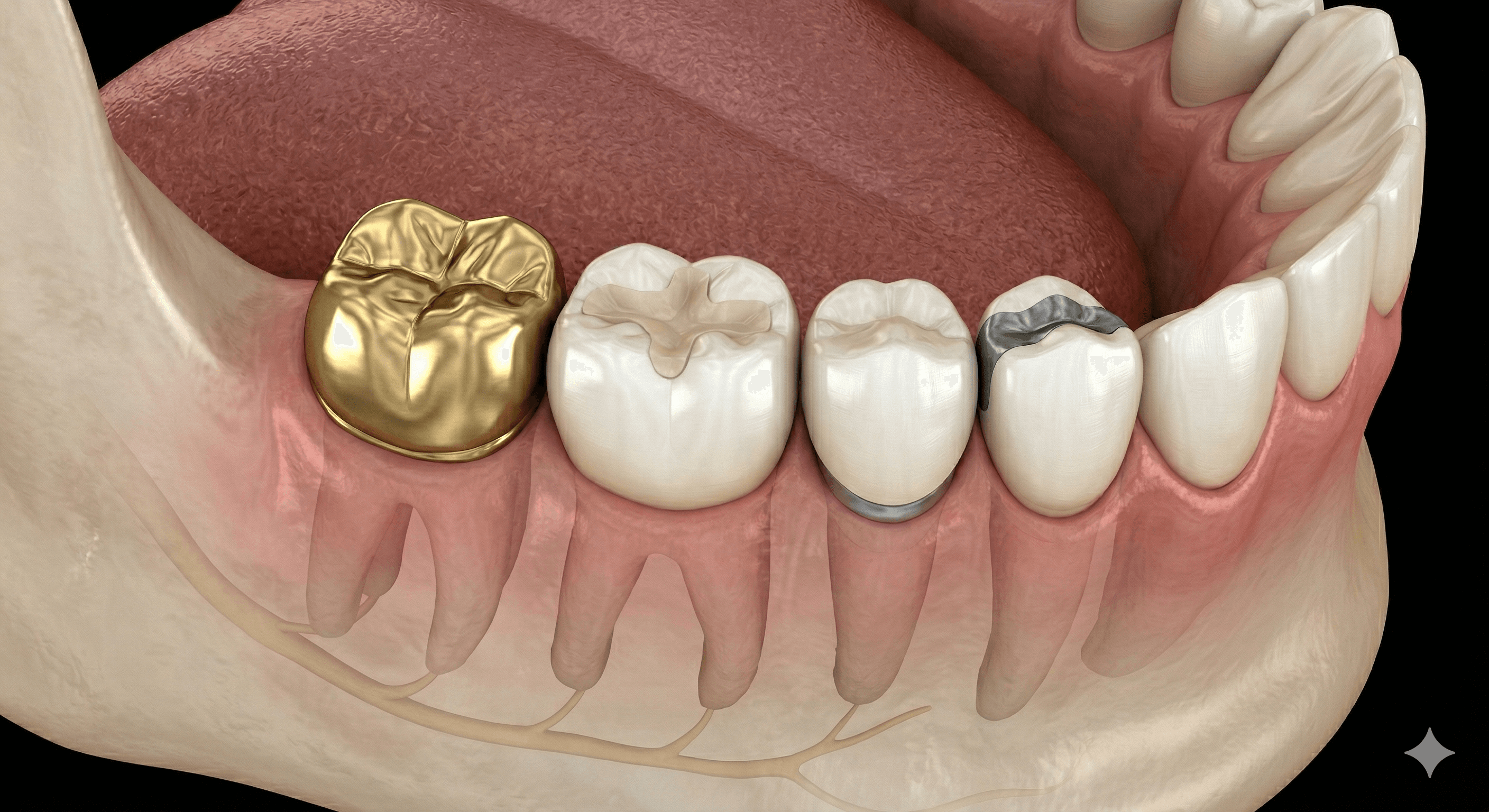
Dental Fillings:The most common restoration. Modern composite resin fillings repair cavities and restore tooth structure while blending seamlessly with your natural tooth color.
Inlays and Onlays:Sometimes called partial crowns, these are used when a tooth has too much damage for a standard filling but not enough to warrant a full crown. They are custom-milled to fit perfectly into the damaged area.
Dental Crowns: Custom-made caps that cover the entire visible portion of a heavily damaged or root-canal-treated tooth, restoring its original size, strength, and shape.
Dental Bridges: A fixed prosthetic device that bridges the gap created by missing teeth, anchored in place by crowns attached to the adjacent healthy teeth.
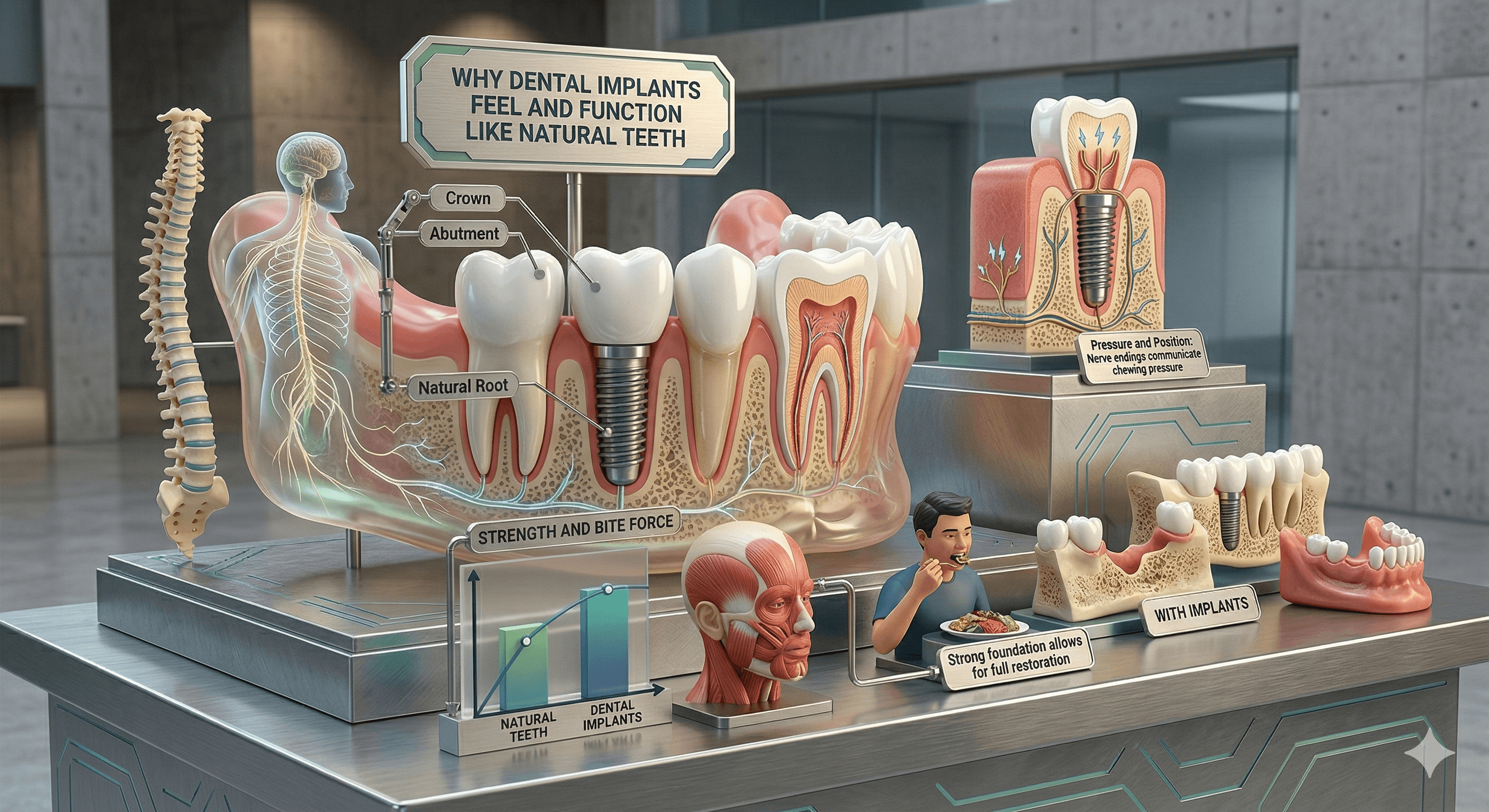
Dental Implants: The gold standard for tooth replacement. These titanium posts are surgically placed into the jawbone to act as artificial roots, supporting a crown, bridge, or denture above.
Dentures: Removable appliances used to replace multiple missing teeth. Options include full dentures (for a complete arch) or partial dentures.
Root Canal Therapy: A restorative procedure that saves a severely infected or dying tooth by removing the damaged inner pulp, sterilizing the canal, and sealing it to prevent future infection.
The Life-Changing Benefits of Restorative Dentistry
Investing in restorative dental work provides profound, life-changing benefits that extend far beyond your mouth:
Restores Chewing Function and Digestion: Digestion begins in the mouth. By restoring your bite force, you can properly chew a varied, nutritious diet, improving overall systemic health.
Improves Speech and Articulation: Missing teeth or poorly fitting dentures can cause lisps or slurred speech. Restorations give your tongue the proper boundaries needed to pronounce words clearly.
Enhances Appearance and Reverses Aging: Missing teeth lead to jawbone loss, causing the lower face to sag and look prematurely aged. Restorations plump out the cheeks and lips, providing a youthful profile.
Stops the 'Domino Effect': Leaving a gap in your smile causes adjacent teeth to drift out of place, altering your bite and making those teeth harder to clean. Restorations hold everything in its proper alignment.
Boosts Self-Confidence: Perhaps the greatest benefit is the psychological relief of no longer hiding your smile. You can laugh, speak, and socialize with absolute confidence.
What to Expect During a Restorative Consultation
If you need restorative work, the process begins with a comprehensive evaluation. Your dentist will take digital X-rays and possibly 3D cone-beam scans to assess the health of your roots and jawbone. They will then discuss your goals, budget, and timeline to create a highly personalized, step-by-step treatment plan to rebuild your smile.
Maintaining Your Dental Restorations
While restorative materials like porcelain and titanium are incredibly durable, they still require diligent care to ensure they last for decades:
Brush twice daily with a non-abrasive fluoride toothpaste
Floss daily to remove plaque from around crowns, bridges, and implants
Visit your dentist every six months for professional cleanings and checkups
Avoid using your teeth as tools (e.g., opening packages or biting fingernails)
Wear a custom nightguard if you are prone to grinding or clenching your teeth in your sleep
Quit smoking, as tobacco use significantly increases the risk of implant failure and gum disease
Conclusion
Restorative dentistry provides incredibly effective, natural-looking solutions for repairing damaged teeth and replacing missing ones. Treatments such as tooth-colored fillings, custom crowns, bridges, dental implants, and modern dentures do much more than fix your teeth—they restore your oral function, improve your physical appearance, and dramatically boost your self-esteem.
You do not have to live with dental pain or the embarrassment of an incomplete smile. With proper care, expert guidance, and regular dental visits, restorative treatments can ensure long-term oral health and help you enjoy a vibrant, confident smile for years to come.
Frequently Asked Questions (FAQs)
What is the difference between restorative and cosmetic dentistry?
Restorative dentistry focuses primarily on restoring the health and function of the mouth, while cosmetic dentistry focuses on the visual aesthetics. However, modern restorative treatments often accomplish both.
What treatments are included in restorative dentistry?
Common procedures include fillings, inlays/onlays, crowns, bridges, dental implants, root canals, and dentures.
Is restorative dentistry painful?
No. Modern dentistry uses advanced local anesthetics and sedation options to ensure that you remain completely comfortable and pain-free during your procedures.
How long do dental restorations last?
It depends on the treatment and your oral hygiene. Fillings can last 7-10 years, crowns 10-15 years, and dental implants can last a lifetime with proper care.
Can restorative dentistry improve my ability to chew?
Absolutely. Restoring missing or broken teeth rebuilds your bite force, allowing you to return to eating a normal, healthy diet without pain.
Are dental implants considered restorative?
Yes, they are the premier restorative treatment for missing teeth because they replace both the root and the crown of the tooth.
Will my restorations look natural?
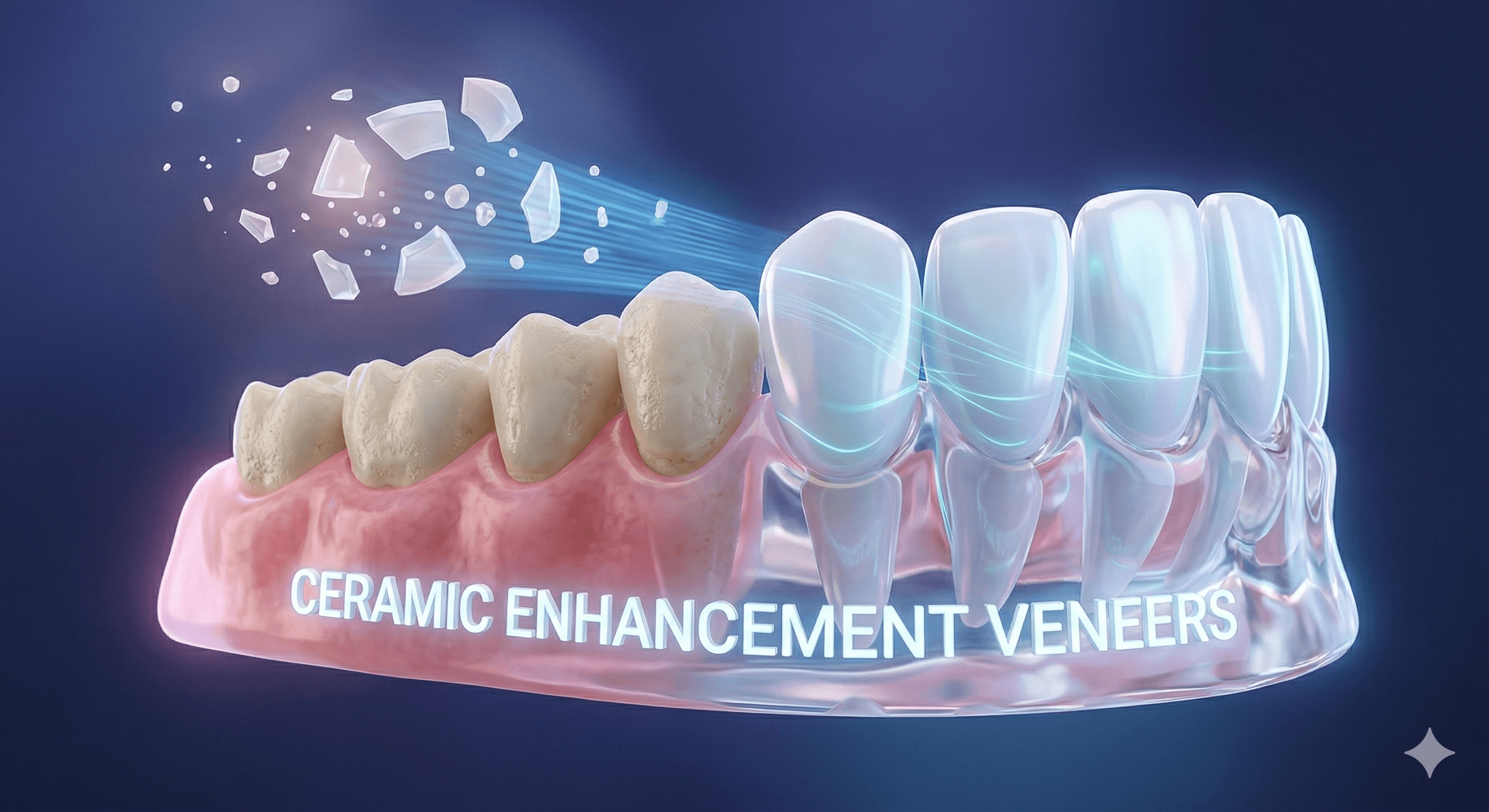
Yes. Dentists use materials like high-grade porcelain and composite resin that are color-matched to your natural teeth, ensuring your restorations blend in seamlessly.
How do I clean a dental bridge or implant?
You brush them just like natural teeth. For bridges, you may need a special floss threader or water flosser to clean underneath the artificial tooth.
Is it suitable for older adults?
Yes, restorative dentistry greatly benefits patients of all ages, helping older adults maintain their nutrition, speech, and quality of life.
When should I see a dentist for restorative care?
You should schedule an appointment immediately if you experience tooth pain, notice a cracked or chipped tooth, lose a filling, or if you have missing teeth that need replacement.