Introduction
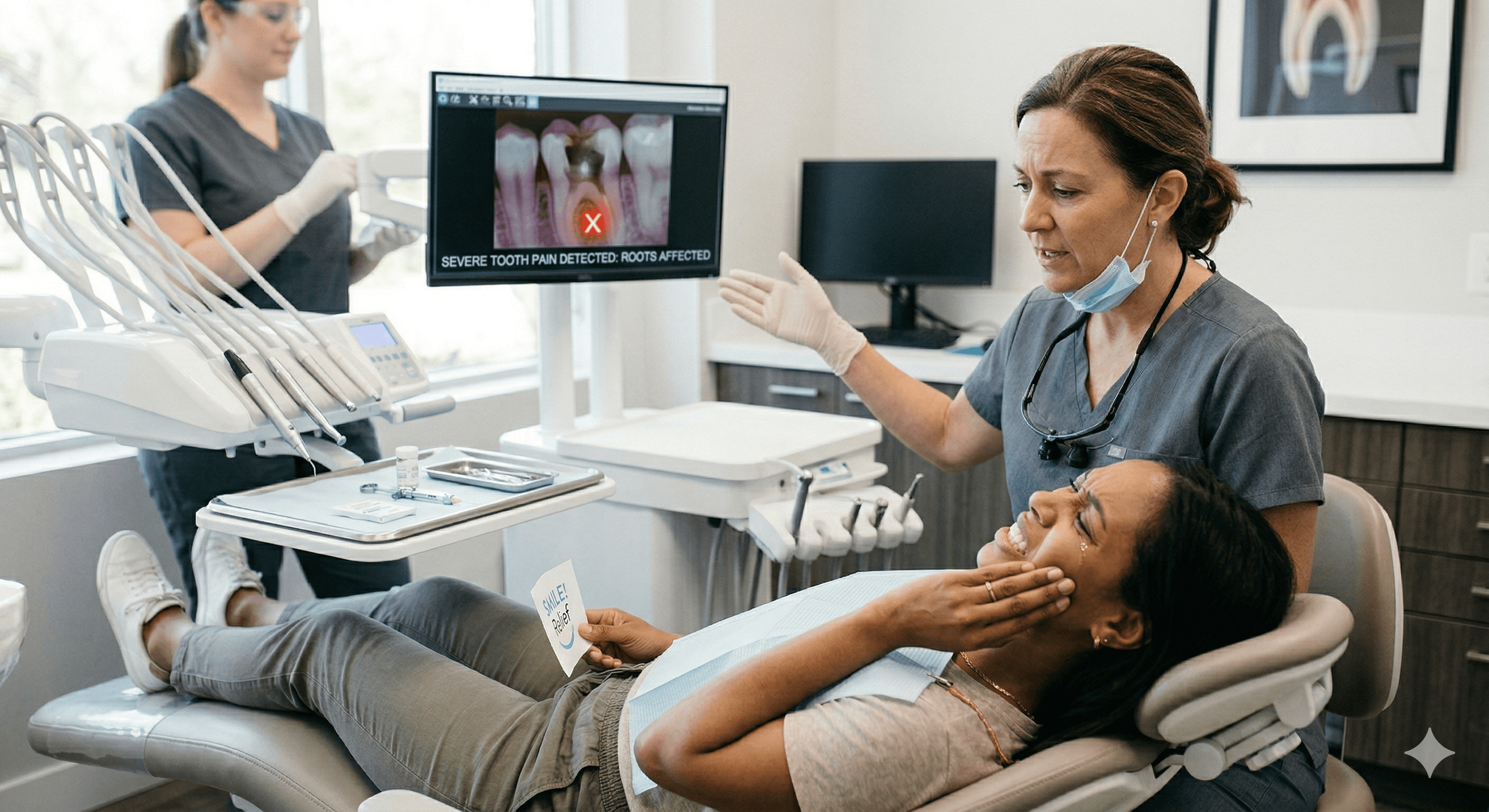
Tooth pain can be one of the most uncomfortable and distracting health issues anyone can experience. A severe toothache can affect your ability to eat, sleep, or focus on daily tasks. Fortunately, modern dentistry offers an effective solution — Root Canal Treatment (RCT) in Borivali West.
Many people feel anxious when they hear the words 'root canal,' often imagining a painful procedure. However, with advanced dental technology and modern anesthesia techniques, root canal treatment at a dental clinic in Borivali West has become a comfortable, precise, and highly successful procedure designed to relieve pain and save your natural tooth.
What Is Root Canal Treatment?
Root canal treatment is a dental procedure used to remove infection from the inner portion of a tooth known as the pulp. The pulp contains nerves, blood vessels, and connective tissue. This treatment is commonly performed by a dentist in Borivali West.
When this pulp becomes infected due to deep decay, trauma, cracks, or repeated dental procedures, it can cause severe pain and swelling. The procedure involves removing the infected pulp, cleaning the canals, filling them, and sealing the tooth to prevent reinfection at a dental clinic near Kandivali and Dahisar.
Common Signs You May Need a Root Canal
Persistent tooth pain that worsens while chewing
Sensitivity to hot or cold that lingers
Swollen or tender gums near the tooth
Darkening or discoloration of the tooth
Pimple or abscess on the gums
What Causes Tooth Pulp Infection?
Deep tooth decay reaching the pulp
Cracked or chipped teeth allowing bacteria entry
Repeated dental procedures on the same tooth
Dental trauma or injury
The Modern Root Canal Procedure: Step by Step
Diagnosis using digital X-rays at a dental clinic in Borivali West
Local anesthesia for a painless experience
Removal of infected pulp
Cleaning and disinfecting the canals
Filling with biocompatible material
Sealing and restoring with a crown
Is Root Canal Treatment Painful?
One of the biggest myths is that root canals are painful. In reality, the procedure is designed to relieve pain. With modern anesthesia and advanced tools, most patients feel little to no discomfort, similar to getting a dental filling at a dentist near me in Borivali West.
Benefits of Root Canal Treatment
Relieves tooth pain by removing infection
Saves your natural tooth
Restores normal chewing ability
Prevents infection from spreading
Provides long-lasting results
How to Care for Your Tooth After a Root Canal
Avoid hard foods until the crown is placed
Maintain proper oral hygiene
Visit your dentist regularly
Follow prescribed medications
Modern Technology in Root Canal Treatments
Advancements in dental technology have made root canal treatments faster, safer, and more comfortable. Clinics now use digital X-rays, rotary instruments, and advanced sterilization techniques for precise and effective results in Borivali West dental clinics.
Root Canal vs Tooth Extraction
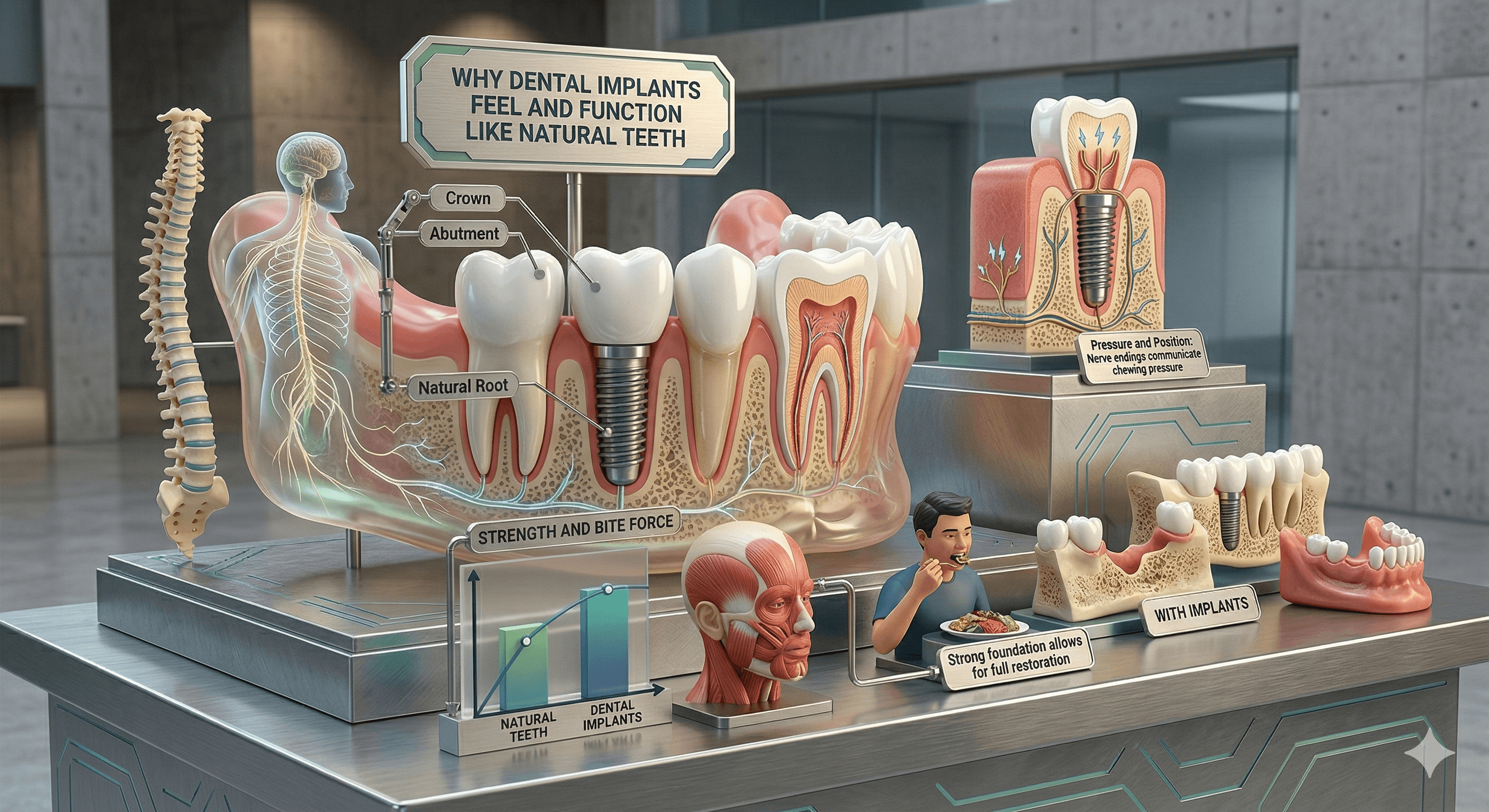
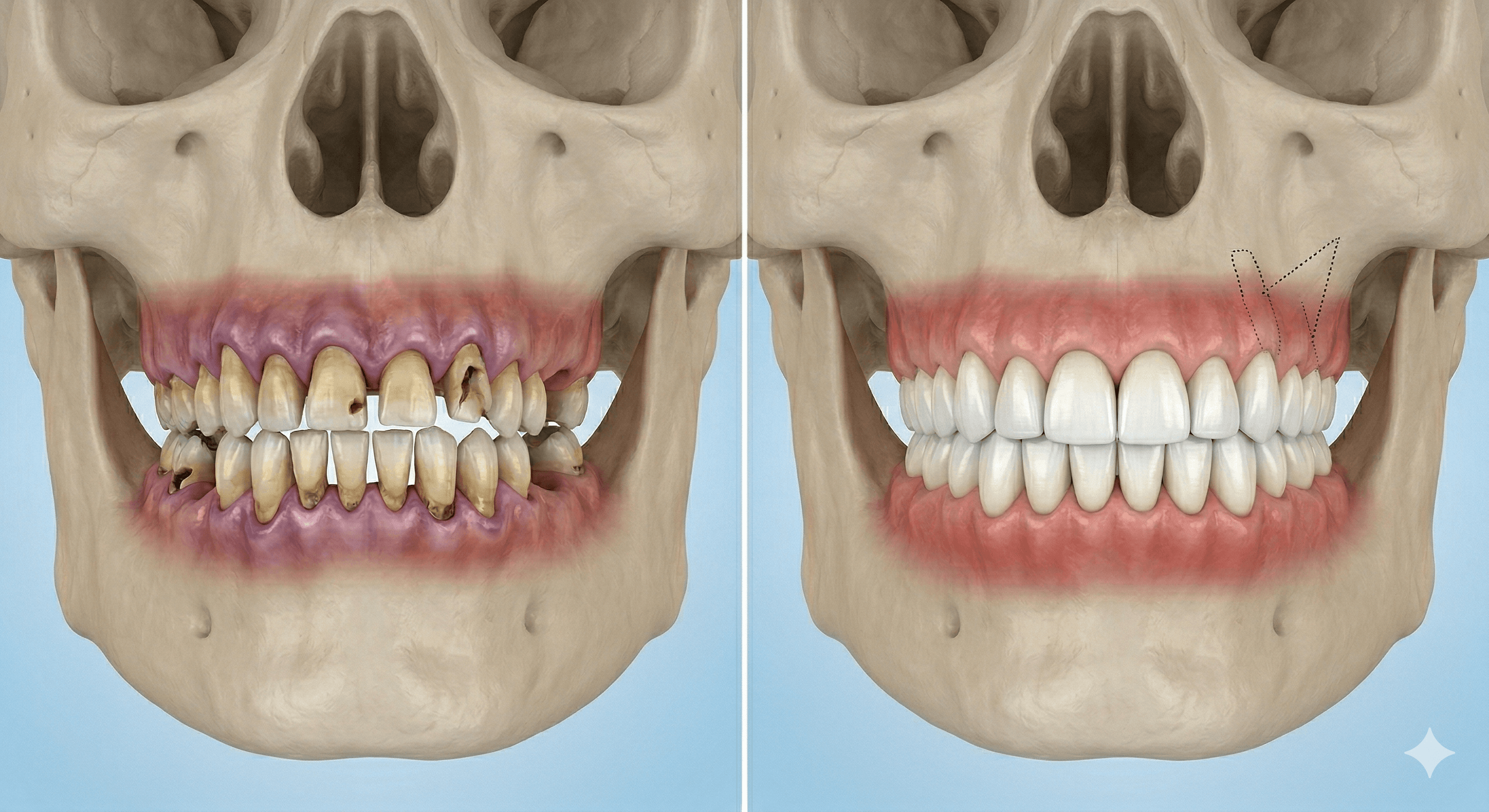
Root canal preserves the natural tooth, while extraction removes it
Maintains chewing ability compared to replacement options
Prevents bone loss in the jaw
Acts as a long-term natural solution
Why Choose a Specialist for Root Canal Treatment
Root canal procedures require precision and expertise. Specialists at a dental clinic in Borivali West use advanced tools and techniques to ensure successful outcomes, patient comfort, and long-term tooth preservation.
The Role of Dental Crowns After RCT
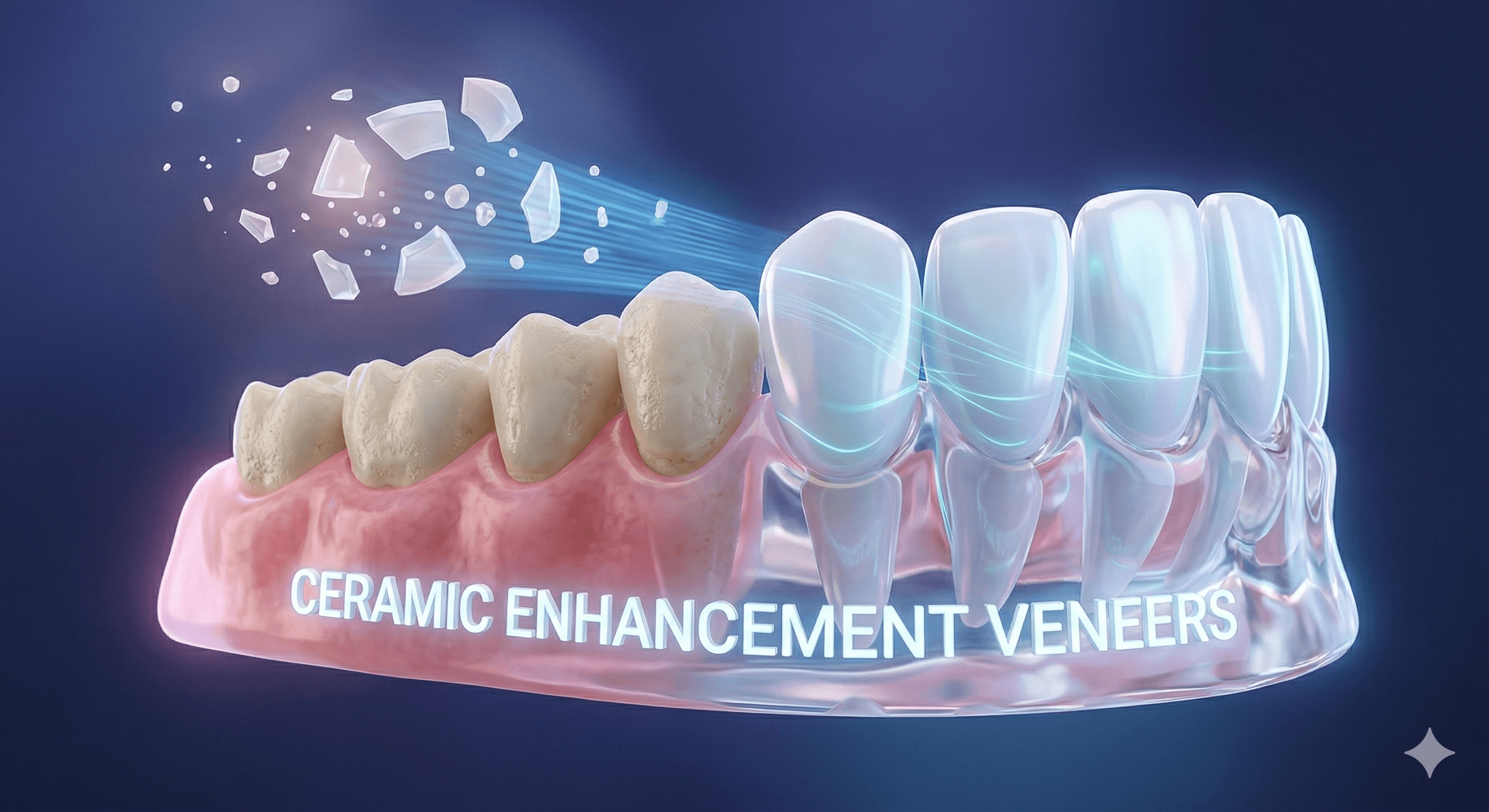
After the infected pulp is removed and the tooth is sealed, it loses its vital blood supply and can become brittle over time. A dental crown is typically placed over the treated tooth to provide strength, protect it from fracturing, and restore its natural appearance and full function by a dentist in Borivali West.
Myths vs. Facts About Root Canal Treatment
Myth: Root canals cause illness. Fact: There is no scientific evidence linking root canals to disease anywhere else in the body.
Myth: Pulling a tooth is a better alternative. Fact: Saving your natural tooth is always the preferred option for long-term oral health.
Myth: The procedure requires multiple long visits. Fact: Modern technology allows many root canals to be completed in just one or two appointments.
Sedation Options for Anxious Patients
For those who experience dental anxiety, modern clinics offer various sedation options. From nitrous oxide (laughing gas) to oral conscious sedation, your dentist in Borivali West can tailor the experience to ensure you remain completely relaxed and stress-free throughout the procedure.
What to Expect During Recovery
The recovery period following a modern root canal is typically swift. Most patients can return to their normal daily activities immediately after the numbness wears off. It is completely normal to experience mild tenderness in the area for a few days, especially when chewing, which can usually be managed with over-the-counter pain medication by guidance from a dental clinic near you in Borivali.
Understanding the Cost of Root Canal Treatment
The cost of a root canal can vary based on several factors, including which tooth is affected (molars are generally more complex and costly to treat than front teeth), the severity of the infection, and the type of restoration required afterward in Borivali West.
While it may seem like a significant investment, saving your natural tooth through a root canal is almost always more cost-effective in the long run compared to the cost of a tooth extraction followed by a dental implant or bridge at a dental clinic in Borivali West.
How to Prevent the Need for Future Root Canals
Brush twice a day with a fluoride toothpaste
Floss daily to remove plaque from between teeth
Wear a mouthguard during contact sports to prevent dental trauma
Limit your intake of sugary snacks and acidic beverages
Attend routine dental checkups and professional cleanings every six months with a dentist in Borivali West
Conclusion
Modern root canal treatment is a safe, effective, and painless solution for tooth pain. By removing infection and preserving your natural tooth, it helps restore oral health and function at a trusted dental clinic in Borivali West.
If you are experiencing persistent tooth pain, consulting a dental professional early at a dental clinic near Kandivali and Dahisar can prevent complications and protect your smile.
Frequently Asked Questions (FAQs)
How long does a root canal take?
Usually 60–90 minutes per visit.
Is root canal treatment safe?
Yes, it is a highly safe and effective procedure.
Can I eat after a root canal?
Yes, but avoid chewing until numbness wears off.
How long does the treated tooth last?
It can last many years or a lifetime.
What happens if I delay treatment?
Infection can worsen and lead to tooth loss.
Do I need a crown after a root canal?
In most cases, yes.
Can root canal fail?
Rarely, but reinfection is possible.
Is root canal better than extraction?
Yes, saving the natural tooth is usually best.
Is it normal to feel sensitivity after the procedure?
Mild sensitivity for a few days is normal and can be managed with over-the-counter pain relievers.
Can children need root canals?
Yes, baby teeth can sometimes require a modified root canal treatment to save the tooth and guide adult teeth properly.
Can I drive home after the procedure?
Yes, unless you opt for a deeper form of conscious sedation, local anesthesia alone will not impair your ability to drive.