Modern Dentures: Comfortable, Natural-Looking Solutions for Missing Teeth
All Articles
Dental Treatments16 min read

Modern Dentures: Comfortable, Natural-Looking Solutions for Missing Teeth

Discover how modern dentures provide comfortable, natural-looking solutions for missing teeth. Learn about types, benefits, and care for long-term oral health.

Author

Smile Solutions Advanced Dental Care and Implant Centre

Published

2026-01-10

Read Time

16 min read

Introduction

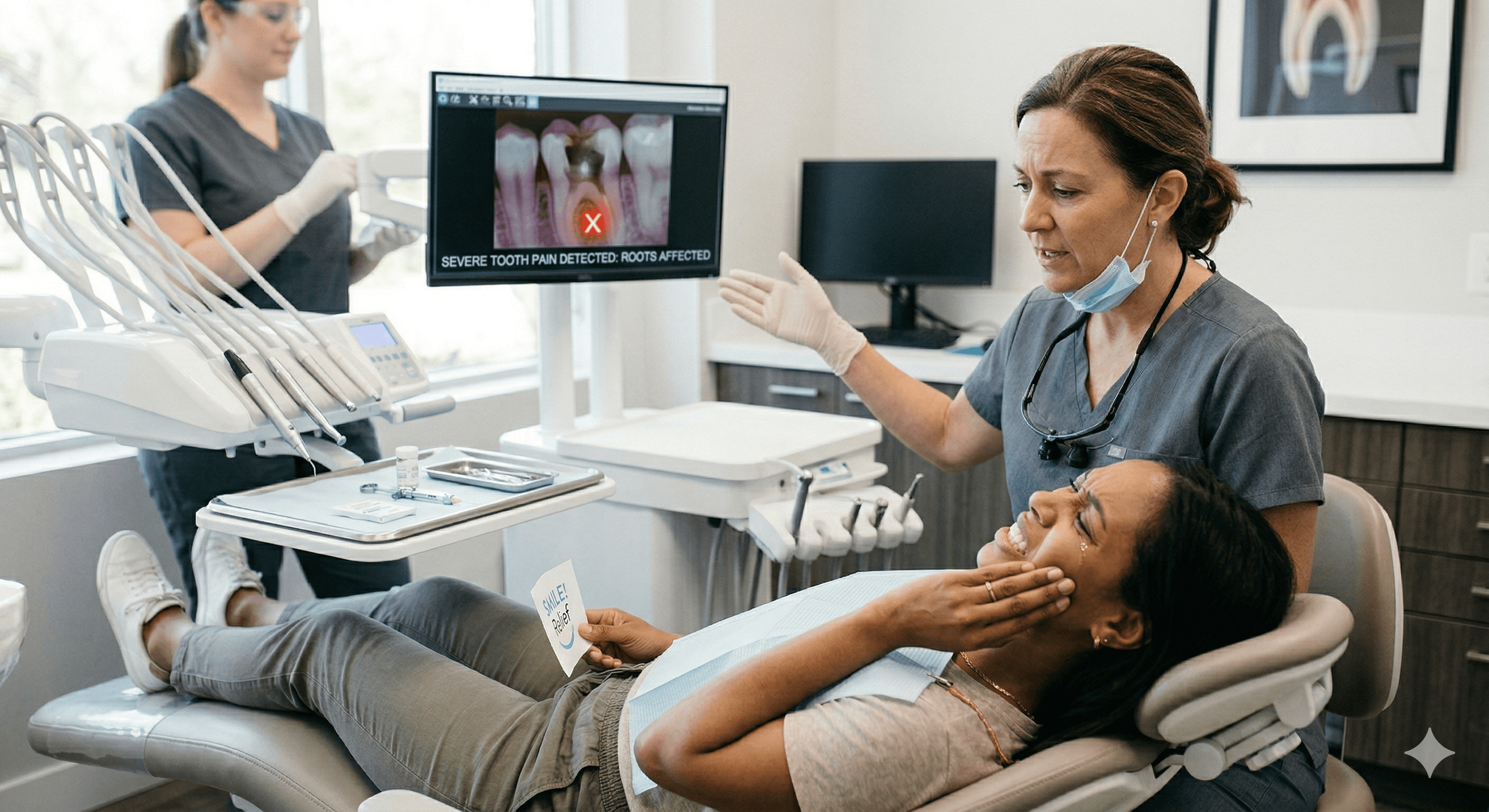
Tooth loss can affect more than just the appearance of a smile. Missing teeth may make everyday activities such as eating, speaking, and smiling feel uncomfortable or challenging. Furthermore, the psychological impact of losing teeth can lead to decreased self-esteem and social withdrawal.

Over time, the gaps caused by tooth loss can also affect the underlying structure of the mouth. Without the roots of the teeth to stimulate the jawbone, bone deterioration can occur, leading to a sunken facial appearance that can make an individual look years older than they actually are.

Fortunately, modern dentistry provides several advanced solutions for replacing missing teeth. One of the most widely used, cost-effective, and reliable options is dentures. Modern dentures have evolved significantly over the years, leaving behind the bulky, uncomfortable designs of the past and offering improved comfort, durability, and a highly natural appearance.

Today’s dentures are carefully designed using advanced digital technology to match the exact shape, color, and alignment of your natural teeth, allowing individuals to regain complete confidence in their smiles. They also restore the crucial ability to chew a varied diet properly and maintain overall oral function.

Understanding Dentures

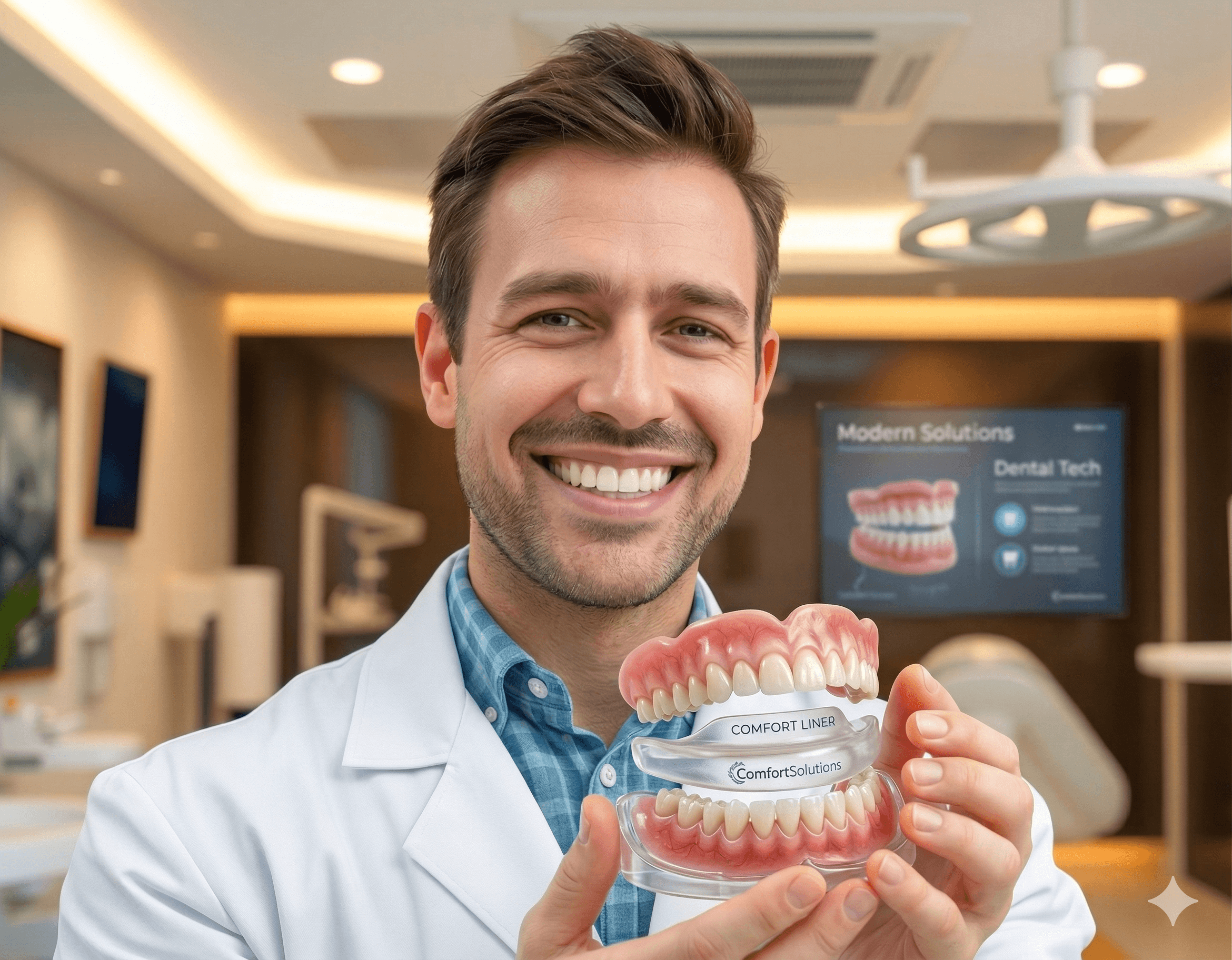
Dentures are custom-crafted, removable dental appliances designed to replace missing teeth and the surrounding gum tissues. They are meticulously measured to fit comfortably over the alveolar ridge (your gums) and restore both the aesthetic appearance and the mechanical function of natural teeth.

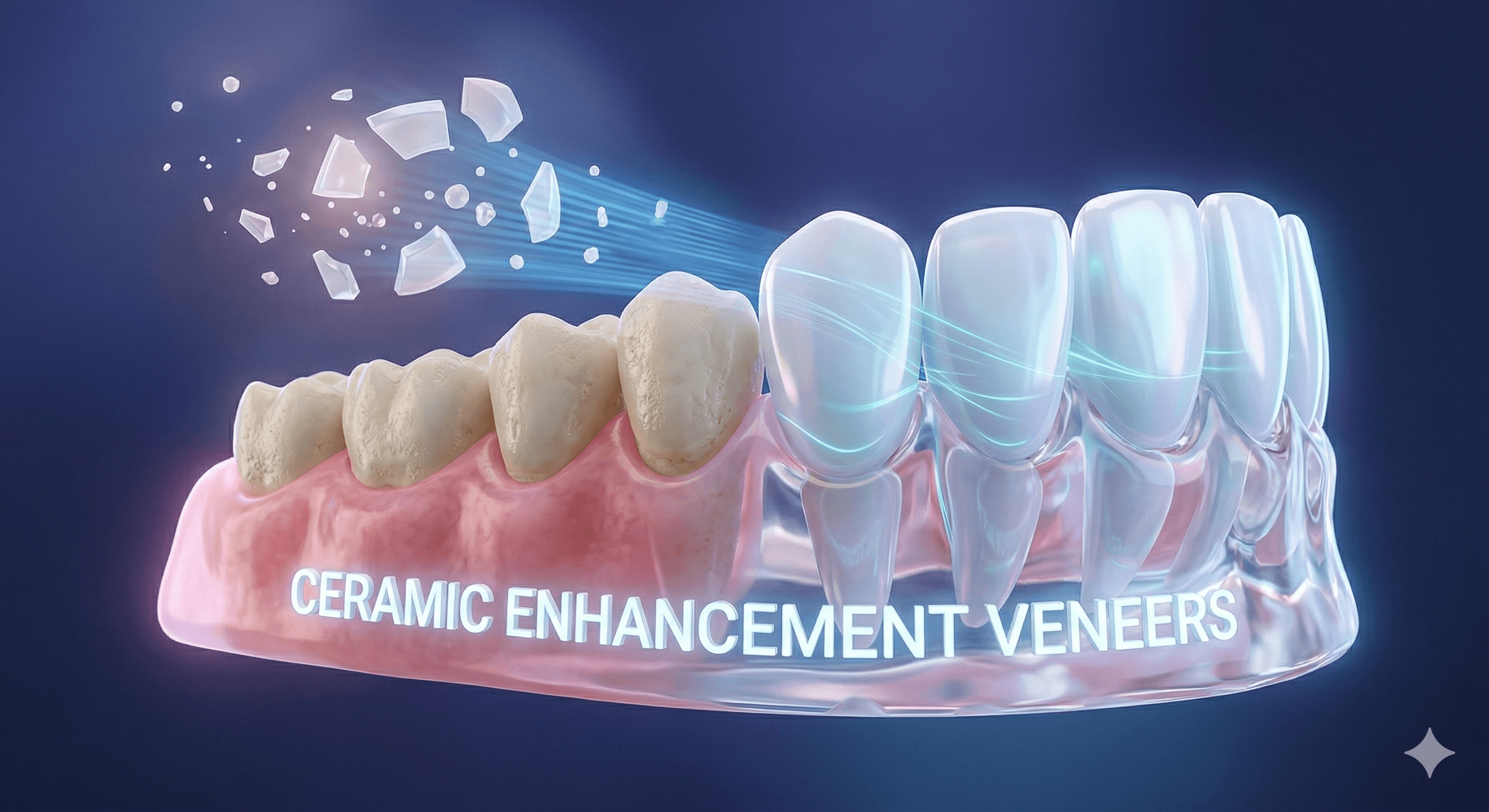
Artificial teeth designed from high-quality porcelain or advanced acrylic resins to resemble natural tooth enamel

A gum-colored base made from durable acrylic or flexible polymers that supports the teeth and fits securely over the gums

Modern denture materials are incredibly lightweight yet highly durable. The use of advanced 3D imaging and printing in modern dental labs means that today's dentures fit better, feel more comfortable, and look far more natural than older traditional designs.

Why Replacing Missing Teeth Is Important

Ignoring missing teeth can trigger a cascade of oral and systemic health issues. Replacing them is not just a cosmetic necessity, but a vital medical one:

Difficulty Chewing Food: Missing teeth restrict your diet, often forcing you to avoid healthy, crunchy foods like raw vegetables and nuts, which can lead to nutritional deficiencies and digestive issues.

Speech Problems: Teeth play a crucial role in forming words. Tooth loss may cause lisping or affect the pronunciation and clarity of speech.

Shifting of Teeth: Nature abhors a vacuum. Nearby healthy teeth will gradually shift or tilt into the empty spaces, ruining your bite alignment and making those teeth harder to clean.

Changes in Facial Structure: Missing teeth lead to jawbone resorption, which can cause the lower half of the face to collapse, creating a sunken, prematurely aged appearance.

Types of Dentures

Dentures are not one-size-fits-all. Based on the number of teeth missing and the patient's specific anatomical needs, dentists offer several types of denture solutions.

Full Dentures (Conventional and Immediate)

Full dentures are used when all teeth in an entire dental arch (the upper jaw, lower jaw, or both) are missing or need to be extracted. They rest directly on the gums and replace an entire set of teeth.

Conventional Full Dentures: Placed after any remaining teeth have been removed and the gum tissue has completely healed (which can take several months).

Immediate Full Dentures: Inserted immediately after the remaining teeth are removed so the patient is never without teeth. However, they will require frequent adjustments (relining) as the jawbone heals and shrinks.

Partial Dentures

Partial dentures are used when some healthy, natural teeth remain in the upper or lower jaw. They consist of replacement teeth attached to a pink or gum-colored base, connected by a metal framework or flexible plastic.

Cast Metal Partial Dentures: Feature a rigid metal framework that attaches to existing teeth with clasps. They are highly durable and long-lasting.

Flexible Partial Dentures: Made from a special lightweight, flexible material (like Valplast) that blends perfectly with the natural gums, offering excellent aesthetics without the use of metal clasps.

Implant-Supported Dentures

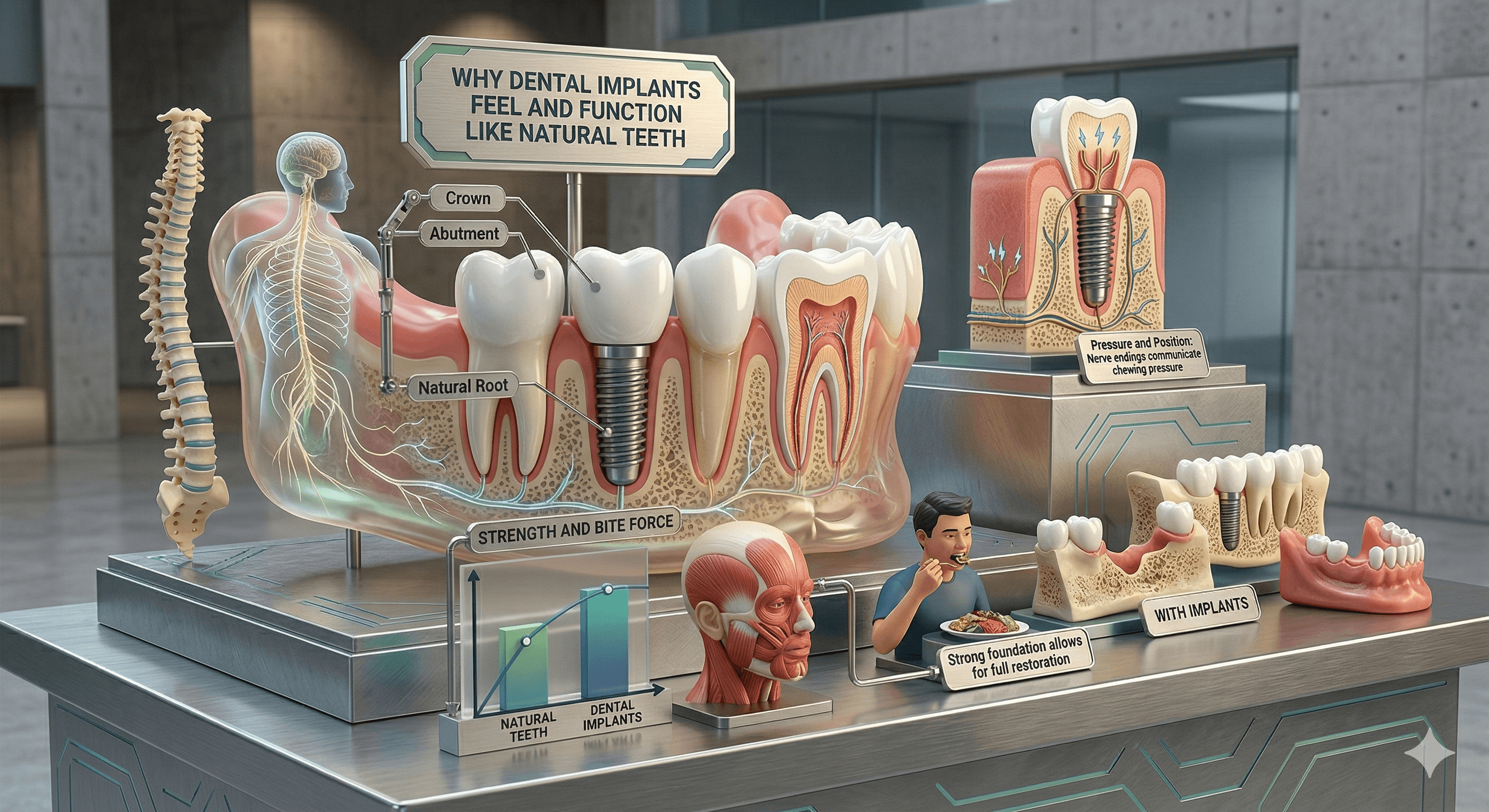
For patients seeking the ultimate in stability, implant-supported dentures (often called 'snap-on' dentures) are the premium choice. These dentures are supported by and attached to titanium dental implants surgically placed into the jawbone.

Provides unparalleled stability, completely eliminating slipping and clicking

Improves chewing power significantly compared to traditional dentures

Stimulates the jawbone, preventing the bone loss associated with missing teeth

Advantages of Modern Dentures

Highly Natural Appearance: Custom shading techniques ensure the teeth and gum base look incredibly lifelike.

Improved Comfort: Advanced impressions and materials mean a snugger, irritation-free fit.

Restored Function: Better chewing ability allows you to return to a normal, varied diet.

Facial Support: Plumps out the cheeks and lips, supporting facial muscles and restoring a youthful profile.

Cost-Effective: Dentures remain one of the most affordable and non-invasive methods for full mouth tooth replacement.

The Denture Treatment Process

Getting a high-quality set of dentures is a meticulous process that requires several visits to ensure perfection in fit and aesthetics:

Initial Consultation: Comprehensive evaluation of your oral health, jawbone density, and treatment planning.

Dental Impressions: Taking highly accurate physical or digital molds of your gums and any remaining teeth.

Wax Try-In: A mock-up of your denture is created in wax. You will try this on to check the fit, bite alignment, tooth color, and overall appearance before the final denture is cast.

Final Placement: The finished denture is placed. The dentist will make minor adjustments to ensure there are no sore spots and the bite feels natural.

Follow-Up Visits: Crucial for making minor adjustments as you begin to wear and use the dentures in daily life.

Adjusting to New Dentures

It is perfectly normal for new dentures to feel a bit strange or bulky for the first few weeks as your cheek and tongue muscles learn to keep them in place. Here are tips to speed up the adjustment period:

Start with Soft Foods: Cut your food into small pieces and chew slowly using both sides of your mouth evenly.

Practice Speaking: Read out loud in front of a mirror to help your tongue adjust to forming words around the new appliance.

Use Adhesives Sparingly: If needed, use a thin layer of dental adhesive for extra confidence while your muscles adapt.

Be Patient: Mild irritation or increased saliva flow is normal initially and will subside.

How Long Do Dentures Last?

With excellent care, a quality set of dentures typically lasts between 5 to 10 years. Over time, the materials will naturally wear down. More importantly, your mouth naturally changes shape over time—the jawbone subtly shrinks and gums recede. Because of this, you will occasionally need a 'reline' (adding new material to the base to improve the fit) or an entirely new set.

Caring for Dentures

Proper maintenance is essential to keep your dentures looking clean, smelling fresh, and fitting comfortably.

Clean Daily: Remove and gently brush your dentures daily with a soft-bristled denture brush and a non-abrasive denture cleanser (regular toothpaste is too abrasive and can scratch them).

Handle with Care: Always clean your dentures over a folded towel or a sink filled with water in case you drop them; the acrylic can break upon impact.

Give Your Gums a Rest: Always remove your dentures at night to give your gum tissues a chance to breathe and recover.

Keep Them Moist: When not wearing them, store your dentures in water or a mild denture-soaking solution to prevent them from drying out and warping. Never use hot water, as it can ruin their shape.

Visit the Dentist: Regular checkups are still necessary to examine your oral tissues for signs of disease and to check the fit of your appliance.

Conclusion

Modern dentures provide an incredibly effective, aesthetically pleasing solution for replacing missing teeth. They go far beyond just filling gaps; they restore your ability to eat a balanced diet, speak with clarity, and smile with absolute confidence while maintaining your facial structure.

With the continuous advancements in dental materials, today's dentures are more comfortable and lifelike than ever before. With proper daily hygiene and regular professional dental visits, your dentures can offer long-lasting comfort and functionality, helping you enjoy a vastly improved quality of life.

Frequently Asked Questions (FAQs)

What exactly are dentures? Dentures are custom-crafted removable dental appliances used to replace missing teeth and surrounding gum tissue.

How long does the process take? Getting conventional dentures usually takes a few weeks and requires 3 to 5 visits to ensure a perfect fit and appearance.

Are modern dentures comfortable? Yes, modern materials are lighter, and the digital impression process ensures a much more precise and comfortable fit than in the past.

Can I eat normally with dentures? Yes, though it requires a brief adjustment period. Start with softer foods and gradually reintroduce harder foods as you become accustomed to chewing with them.

Do dentures look natural? Absolutely. The acrylic base is color-matched to your natural gums, and the teeth are customized in shape and shade to look incredibly lifelike.

How long do dentures last? Typically, they last 5 to 10 years before needing to be replaced or relined due to normal wear and natural changes in the jawbone.

Can dentures fall out? A well-fitting denture should stay securely in place through suction (for upper dentures) and gravity/muscle control (for lower). Adhesives or implants can provide extra security.

Can I sleep with my dentures in? It is highly recommended to remove them at night to let your gums rest and prevent fungal infections in the mouth.

Do dentures require special cleaning? Yes, you should use a soft denture brush and specific denture cleaners. Regular toothpaste is too abrasive and will scratch the surface.

Can dentures improve my facial appearance? Yes, missing teeth can cause the face to look sunken. Dentures support the lips and cheeks, restoring a youthful facial profile.

Are implant-supported dentures better? They are highly recommended for those seeking maximum stability and chewing power, as they attach directly to implants in the bone, preventing bone loss.

Curated Recommendations

Keep Reading

Dr. Heeral Chikhal
13+ Years Excellence
Former Asst. Prof, GDC Mumbai
Smile Design Specialist
Advanced Implantology
Lead Specialist

Dr. Heeral Chikhal

MDS - Prosthodontist & Implantologist

Meet Dr. Heeral Chikhal, a distinguished Prosthodontist with 13+ years of excellence. Formerly an Assistant Professor at GDC Mumbai, she is a trusted name for world-class dental solutions in Borivali West.

Specialist in Full Mouth Rehabilitation, Smile Designing, Dental Implants, and Advanced Prosthetics.

Modern Dentures for Missing Teeth | Comfortable & Natural Solutions