Introduction
A healthy, confident smile begins in childhood. The early years of a child’s life play a profoundly important role in shaping lifelong oral health habits. Proper dental care during childhood not only protects developing teeth but also helps prevent severe dental problems that may occur later in life.
Many parents incorrectly assume that because baby teeth (primary teeth) eventually fall out, they are temporary and therefore less important than adult teeth. However, primary teeth are absolutely essential for a child's overall development. They facilitate proper chewing and nutrition, aid in crucial speech development, and act as natural space-savers, guiding permanent teeth into their proper alignment.
Establishing a dental home early on ensures that your child grows up viewing dental visits as a normal, positive part of their healthcare routine, effectively eliminating the dental anxiety that plagues so many adults.
What Is Pediatric Dentistry?
Pediatric dentistry is a specialized branch of dentistry that focuses entirely on the oral health and dental care of children from infancy through adolescence, including those with special healthcare needs. Pediatric dentists undergo additional years of specialized training after dental school, focusing on child psychology, behavior management, and the unique dental needs of developing mouths.
Preventive dental care, including cleaning and fluoride treatments
Early detection and management of dental decay and developmental issues
Oral hygiene education for both children and parents
Habit counseling (e.g., pacifier use and thumb sucking)
Treatment specifically tailored for growing, changing teeth
Why Early Dental Care Is Critically Important
Preventing Early Childhood Caries (Tooth Decay): Regular checkups help detect and prevent cavities early. Baby teeth have thinner enamel than adult teeth, making them highly susceptible to rapid decay.
Supporting Proper Jaw and Tooth Development: Maintaining primary teeth ensures there is proper spacing for permanent teeth. Premature loss of a baby tooth can cause surrounding teeth to shift, leading to severe crowding later.
Teaching Good Lifelong Habits: Early dental visits provide parents with the knowledge they need to enforce brushing, flossing, and healthy eating habits at home.
Reducing Dental Anxiety: Positive, painless early experiences in a child-friendly environment build trust and confidence, preventing dental phobias.
Common Pediatric Dental Treatments
Children's dental needs are different from those of adults. Some of the most common treatments provided in a pediatric dental setting include:
Routine Checkups and X-Rays: To monitor jaw growth, track erupting teeth, and detect hidden cavities between teeth.
Professional Cleaning: Gently removes hardened plaque and tartar buildup that regular brushing at home might miss.
Fluoride Treatments: A safe, highly effective mineral application that remineralizes and strengthens young tooth enamel, making it more resistant to acid attacks.
Dental Sealants: A thin, protective plastic coating painted onto the chewing surfaces of the back molars to seal out food and cavity-causing bacteria.
Tooth-Colored Fillings: Used to restore baby teeth that have suffered from decay, preventing the infection from spreading to the nerve.
Pulp Therapy (Baby Root Canals): If decay reaches the nerve of a primary tooth, this treatment saves the tooth from extraction until it is ready to fall out naturally.
Space Maintainers: Custom-made appliances used to hold space open if a baby tooth is lost prematurely, ensuring the adult tooth has room to emerge.
When Should Children First Visit the Dentist?
The American Academy of Pediatric Dentistry recommends that a child should visit the dentist by their first birthday or within six months after their very first tooth appears—whichever comes first. This initial 'happy visit' is largely about getting the child comfortable with the sights and sounds of the clinic, while allowing the dentist to check for early signs of decay and discuss proper oral care routines with the parents.
Managing Common Childhood Oral Habits
Many infants and toddlers rely on thumb sucking or pacifiers for comfort. While perfectly normal in early years, prolonged habits (continuing past ages 3 or 4) can severely affect the development of the jaw and how the teeth align, often causing an open bite or crossbite. A pediatric dentist can provide positive reinforcement strategies and, if necessary, oral appliances to help break these habits safely.
The Role of Diet in Pediatric Dental Health
What your child eats directly impacts their smile. Frequent snacking on sugary or starchy foods—like gummy vitamins, fruit snacks, crackers, and juice—feeds the bacteria in the mouth that produce enamel-destroying acids. To protect their teeth:
Encourage drinking plenty of water, especially after meals
Limit fruit juices and avoid placing a baby to bed with a bottle of milk or juice (which causes 'Baby Bottle Tooth Decay')
Offer tooth-friendly snacks like cheese, yogurt, crunchy vegetables, and fresh fruits
Reserve sugary treats for immediately after a meal, when saliva production is highest
Tips for Maintaining Children’s Oral Health at Home
Infants: Wipe their gums with a clean, damp cloth after every feeding, even before teeth emerge.
Toddlers: Begin brushing twice a day with a soft-bristled brush and a grain-of-rice-sized smear of fluoride toothpaste as soon as the first tooth appears.
Preschoolers: Increase toothpaste to a pea-sized amount. Parents should brush their child's teeth for them until they have the manual dexterity to tie their own shoes (around age 7 or 8).
School-Aged Children: Introduce daily flossing as soon as any two teeth touch each other. Monitor their brushing habits to ensure they brush for a full two minutes.
The Importance of a Child-Friendly Dental Care Environment
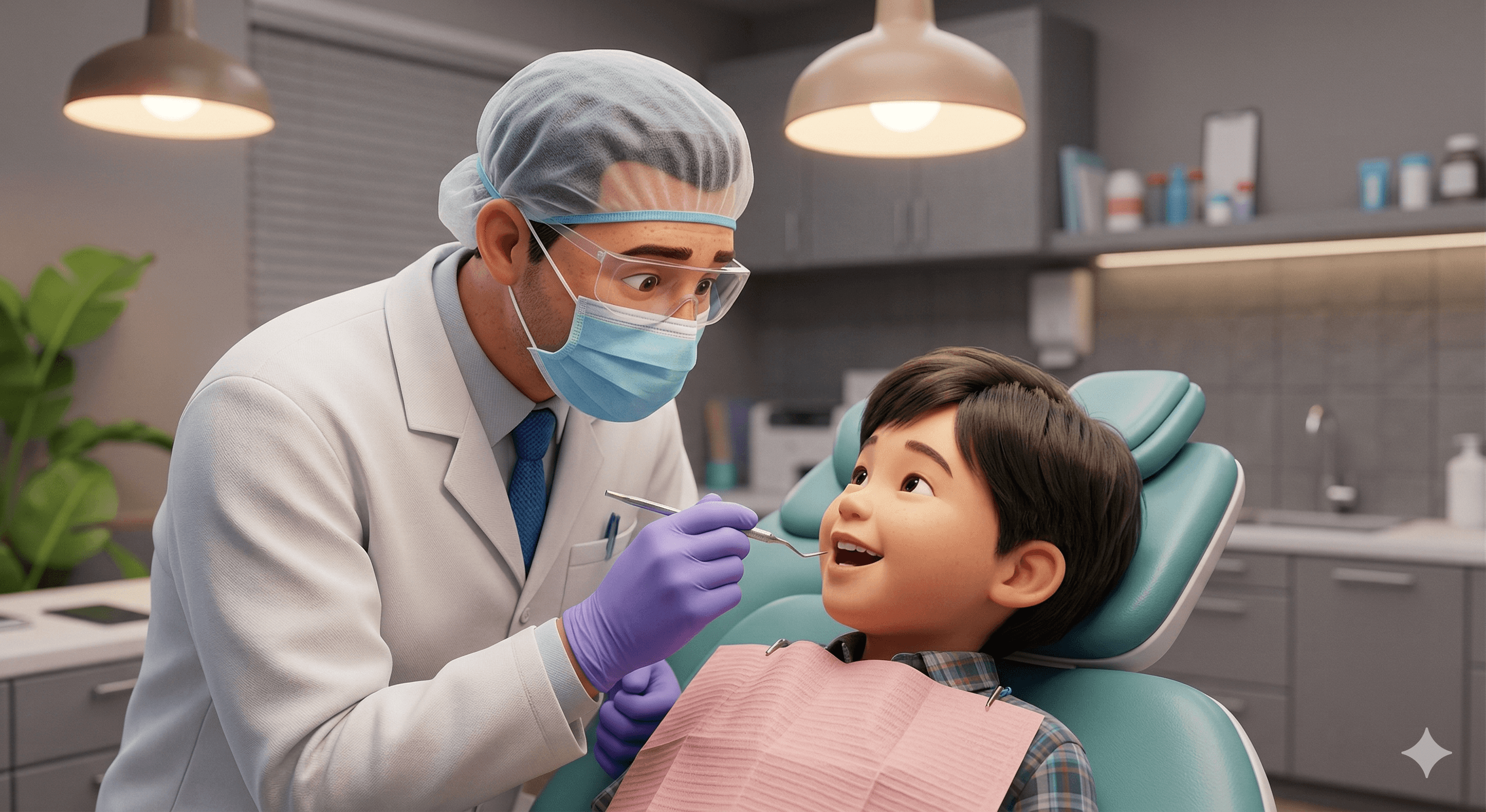
A pediatric dental office is designed with children in mind. From colorful waiting rooms and engaging toys to the use of child-friendly language (like 'sugar bugs' instead of cavities), a comfortable environment helps children feel safe and reduces fear. Dentists and staff are trained to use 'tell-show-do' techniques to explain procedures, ensuring positive experiences that encourage lifelong dental care habits.
Conclusion
Pediatric dental care plays a crucial, foundational role in maintaining healthy teeth and preventing painful future dental problems. Early dental visits, combined with proper at-home care and a tooth-friendly diet, help children develop strong oral hygiene habits.
By prioritizing dental care from an early age, parents can ensure their children grow up with healthy, functional, and confident smiles that will positively impact their overall well-being for the rest of their lives.
Frequently Asked Questions (FAQs)
What is pediatric dentistry? It is a dental specialty focused entirely on the comprehensive oral healthcare of infants, children, adolescents, and children with special needs.
When should my child first visit the dentist? The recommended timeline is by their first birthday, or within six months of their first baby tooth erupting.
Are baby teeth really that important? Yes, they are vital for proper chewing, learning to speak clearly, and holding the correct space in the jaw for adult teeth to grow into.
How often should children visit the dentist? Just like adults, children should visit the dentist every six months for a routine checkup and professional cleaning.
What causes cavities in young children? Cavities are primarily caused by frequent consumption of sugary or starchy foods and drinks, combined with inadequate brushing and flossing.
What are dental sealants and are they safe? Sealants are safe, thin protective plastic coatings applied to the deep grooves of back molars to prevent food and bacteria from getting stuck and causing decay.
Are fluoride treatments safe for kids? Yes, when applied professionally by a dentist in the correct dosage, fluoride is incredibly safe and effective at strengthening enamel.
How can I help my child brush properly? Make it fun by using a timer or playing a two-minute song. Always supervise their brushing until they are around 7 or 8 years old to ensure they are thorough.
Can children get gum disease? Yes, gingivitis (early gum disease) is common in children who do not floss or brush properly, leading to red, swollen, and bleeding gums.
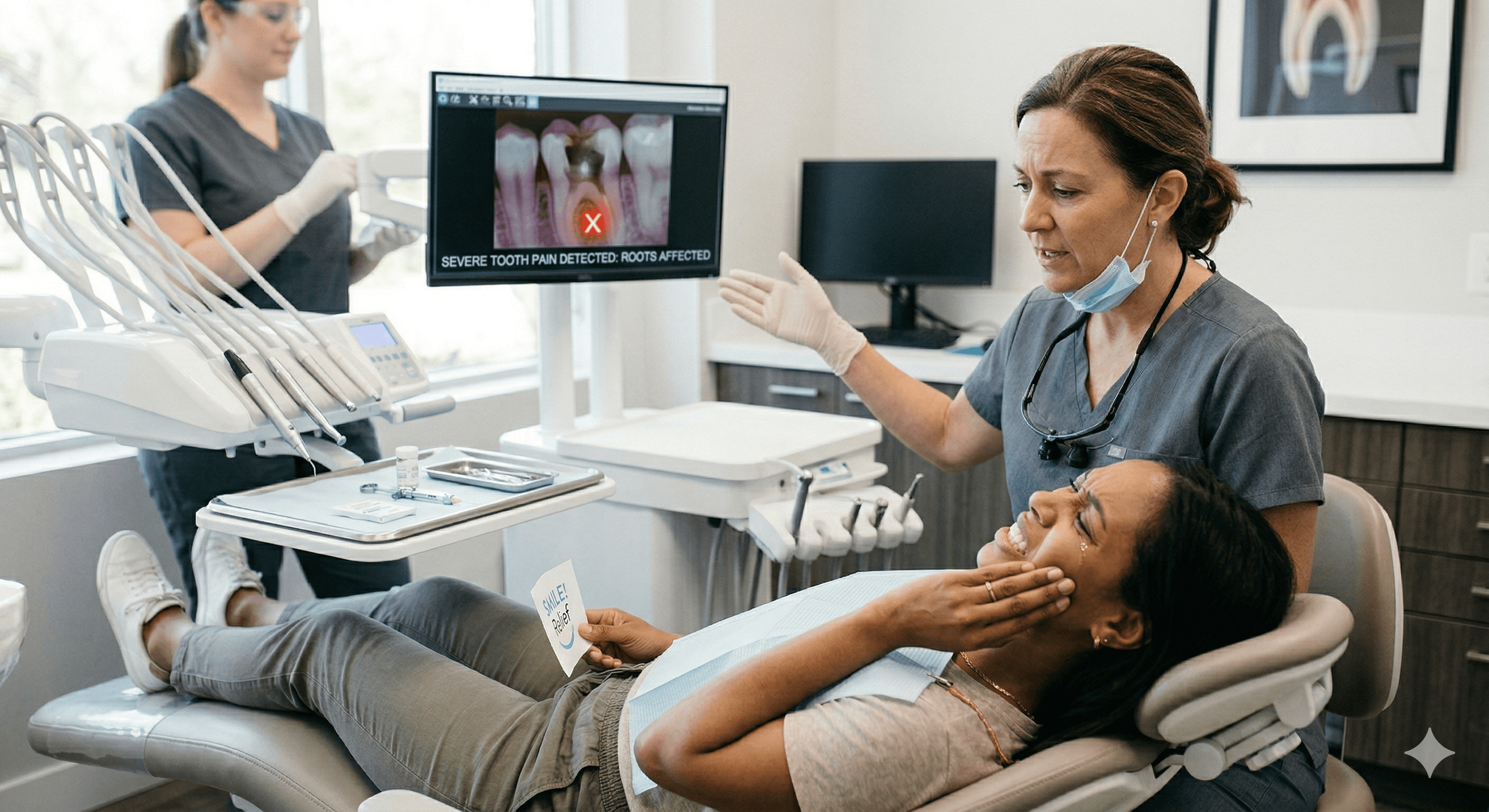
What should I do if my child has a severe toothache? Rinse their mouth with warm salt water, gently use dental floss to remove any trapped food, apply a cold compress to their cheek, and contact your pediatric dentist immediately.
What happens if a baby tooth gets knocked out? Do not try to push a baby tooth back into the socket, as this can damage the permanent tooth growing underneath. Call your dentist right away for an evaluation.