Introduction
Oral health is essential for overall well-being. Healthy teeth and gums allow comfortable eating, clear speech, and confident smiling. However, over time, a combination of factors such as decay, trauma, genetics, or chronic health conditions can severely compromise the state of your mouth, requiring treatment at a dental clinic in Borivali West.
When multiple complex dental issues occur together, they can significantly impact both the functional mechanics of your jaw and the aesthetic appearance of your smile. Simple, single-tooth treatments are no longer enough. In these cases, full mouth reconstruction in Borivali West provides a highly coordinated, comprehensive solution designed to restore the entire smile from the roots up.
What Is Full Mouth Reconstruction?
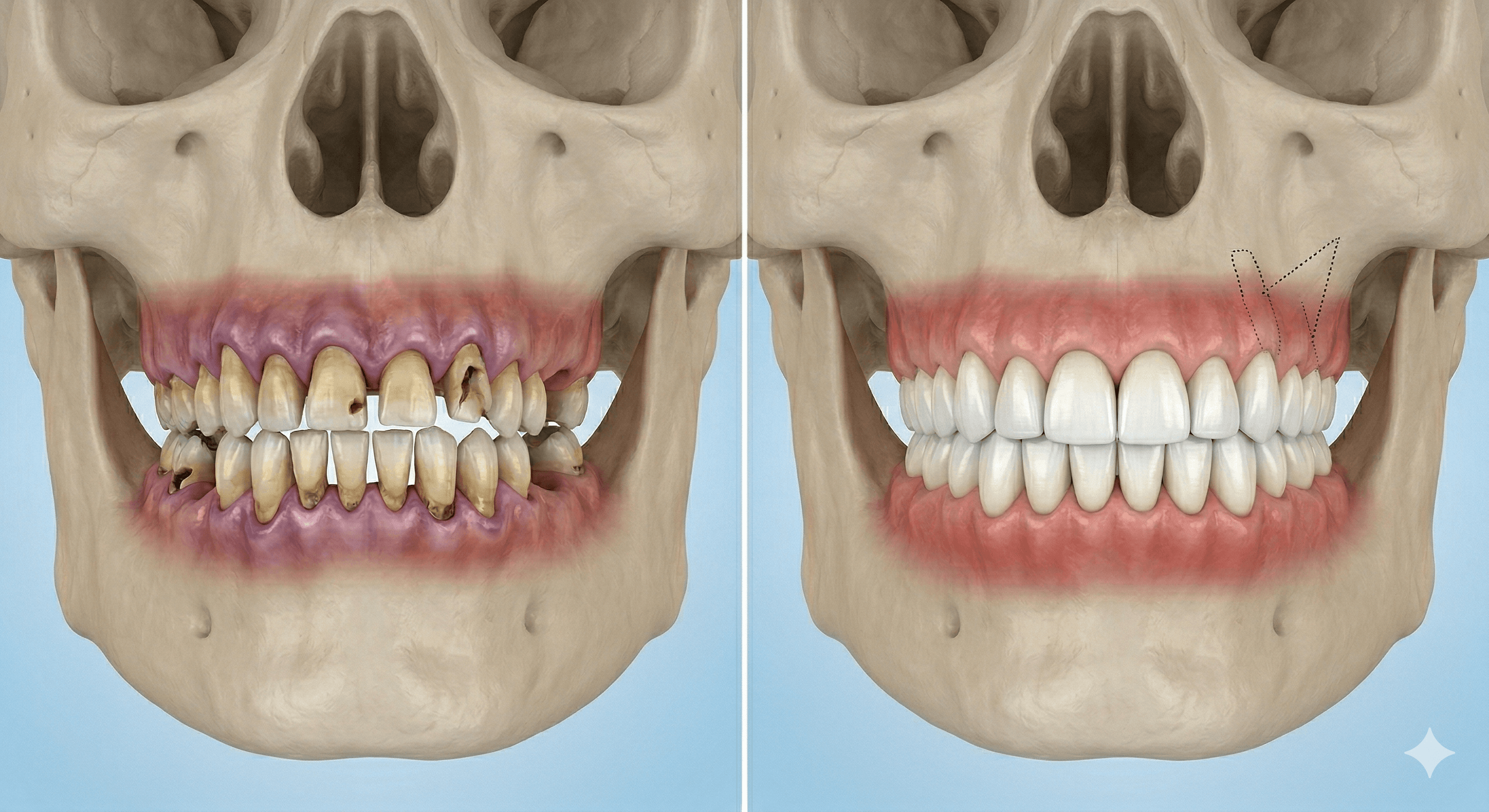
Full mouth reconstruction (also known as full mouth restoration or rehabilitation) is a comprehensive, multidisciplinary treatment approach. It focuses on rebuilding and restoring the health, function, and appearance of most or all teeth in both the upper and lower jaws at a dental clinic in Borivali West.
Unlike a 'smile makeover,' which is primarily cosmetic and elected by the patient, full mouth reconstruction is a necessary medical intervention to restore proper oral health and function. It often involves a team of dental specialists at a dental clinic near Kandivali and Dahisar.
When Is Full Mouth Reconstruction Needed?
1. Severe Tooth Decay
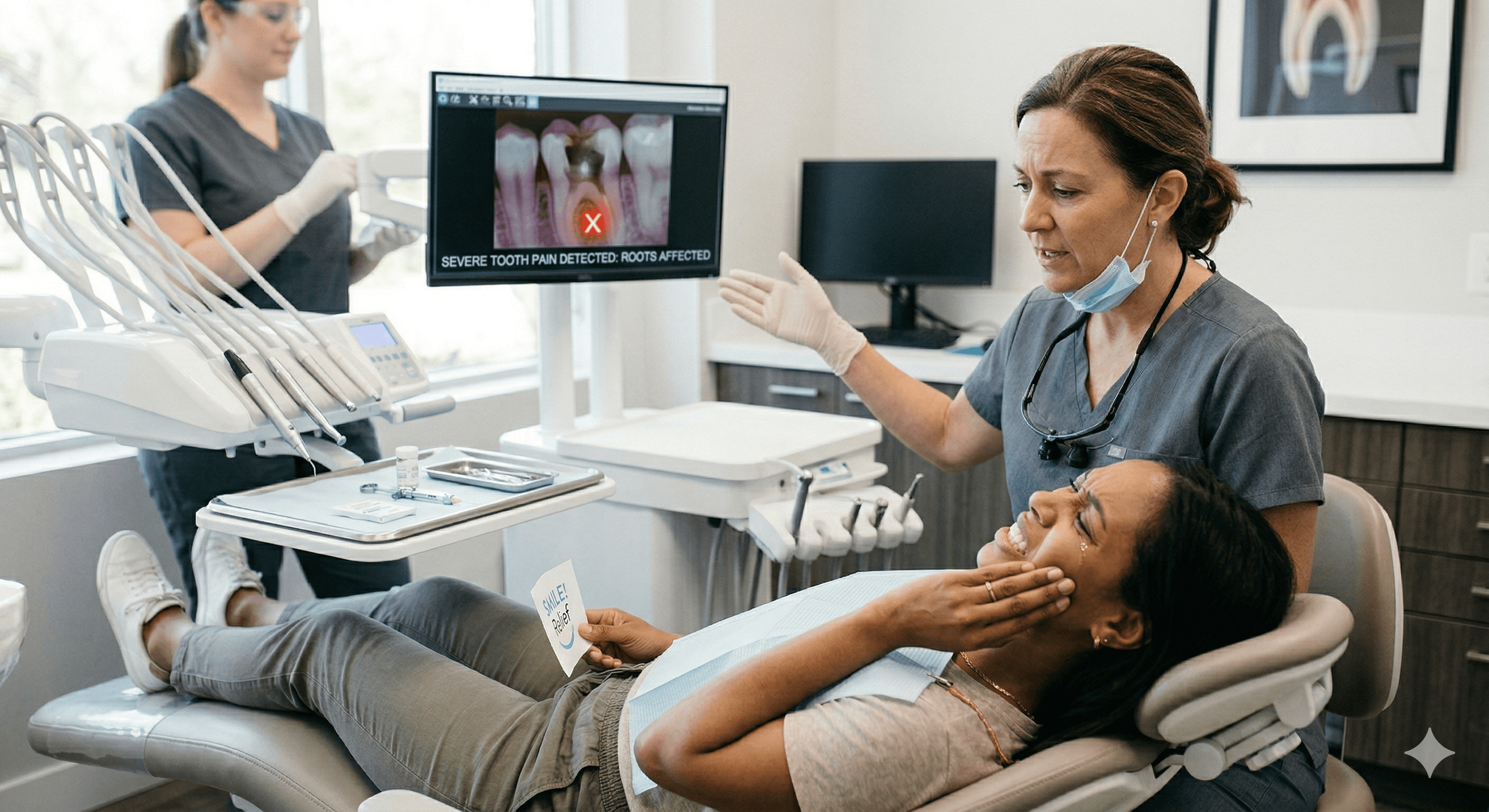
Extensive, untreated decay affecting multiple teeth may require comprehensive treatment to restore oral health. When cavities reach the inner pulp or break down the tooth structure so much that normal fillings cannot fix them, crowns and root canals become necessary on a larger scale at a dental clinic in Borivali West.
2. Multiple Missing Teeth
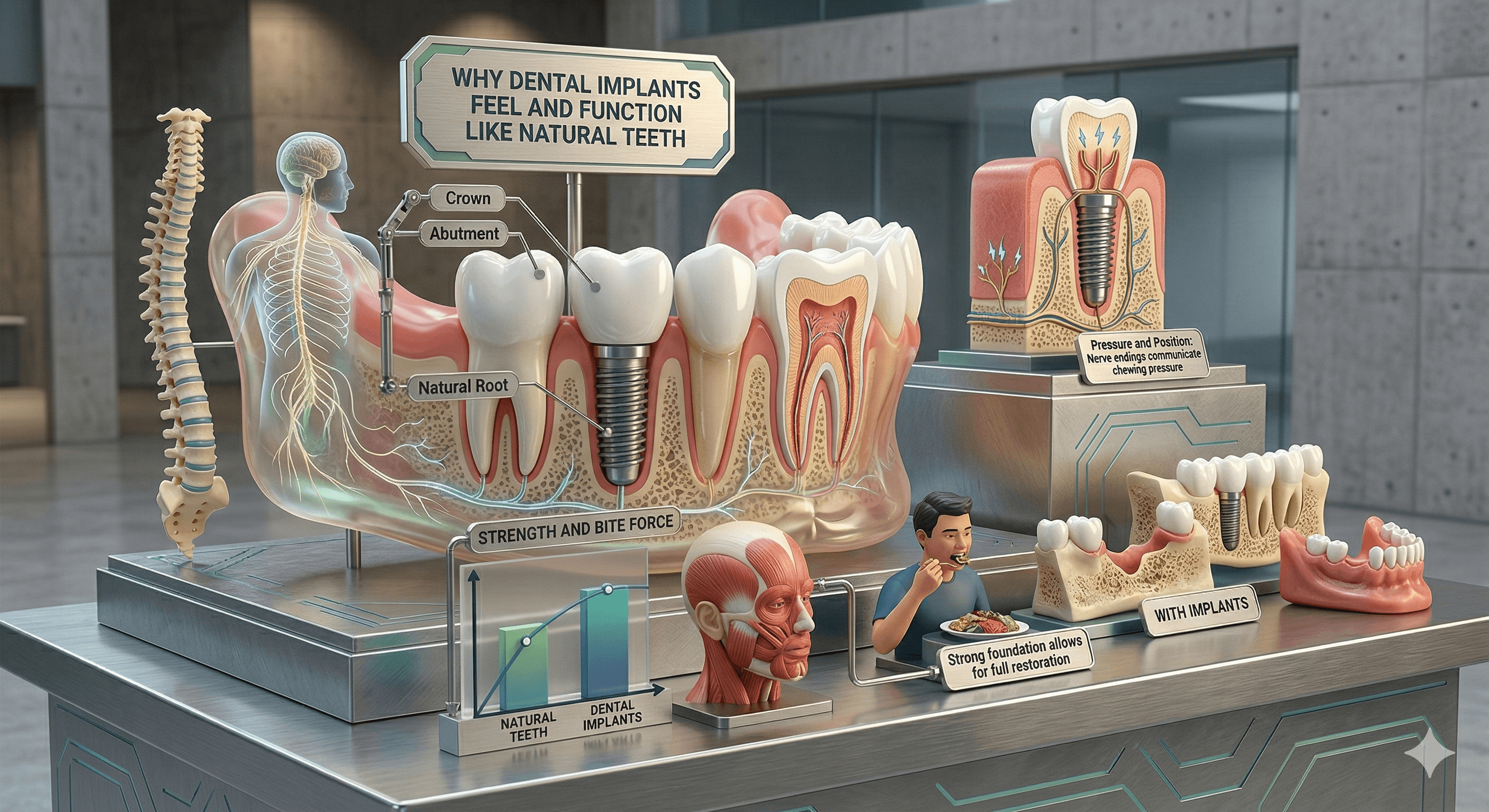
Losing several teeth does more than just alter your smile; it causes a domino effect of oral health problems. Reconstruction treatments like dental implants in Borivali West address these issues effectively.
3. Advanced Tooth Wear
Tooth wear caused by chronic grinding or acid erosion can drastically reduce the height of your teeth. This affects your bite height and often requires full mouth reconstruction in Borivali West.
4. Trauma or Injury
Accidents or injuries can damage multiple teeth and surrounding structures. Full mouth reconstruction at a dental clinic in Borivali West restores both function and aesthetics.
5. Severe Gum Disease (Periodontitis)
Advanced gum disease weakens tooth support and can lead to tooth loss. Treatment at a dental clinic near Kandivali and Dahisar is essential before reconstruction begins.
6. Jaw Pain and Bite Problems
A poorly aligned bite can cause jaw pain and headaches. Full mouth reconstruction in Borivali West helps restore proper bite alignment and reduce discomfort.
The Full Mouth Reconstruction Process
Every case is unique, and the treatment is carefully planned in phases at a dental clinic in Borivali West to ensure optimal results.
Common Procedures Included
Dental Crowns
Crowns restore severely damaged teeth and are commonly used in full mouth reconstruction in Borivali West.
Dental Implants
Dental implants in Borivali West are used to replace missing teeth and provide long-term stability.
Dental Bridges
Bridges replace missing teeth and restore chewing ability at a dental clinic in Borivali West.
Root Canal Treatment
Root canal treatment in Borivali West removes infection and preserves natural teeth.
Orthodontics and Periodontics
These treatments help align teeth and improve gum health before final restorations at a dental clinic near Kandivali and Dahisar.
Benefits of Full Mouth Reconstruction
Improves oral health and removes infection
Restores chewing ability
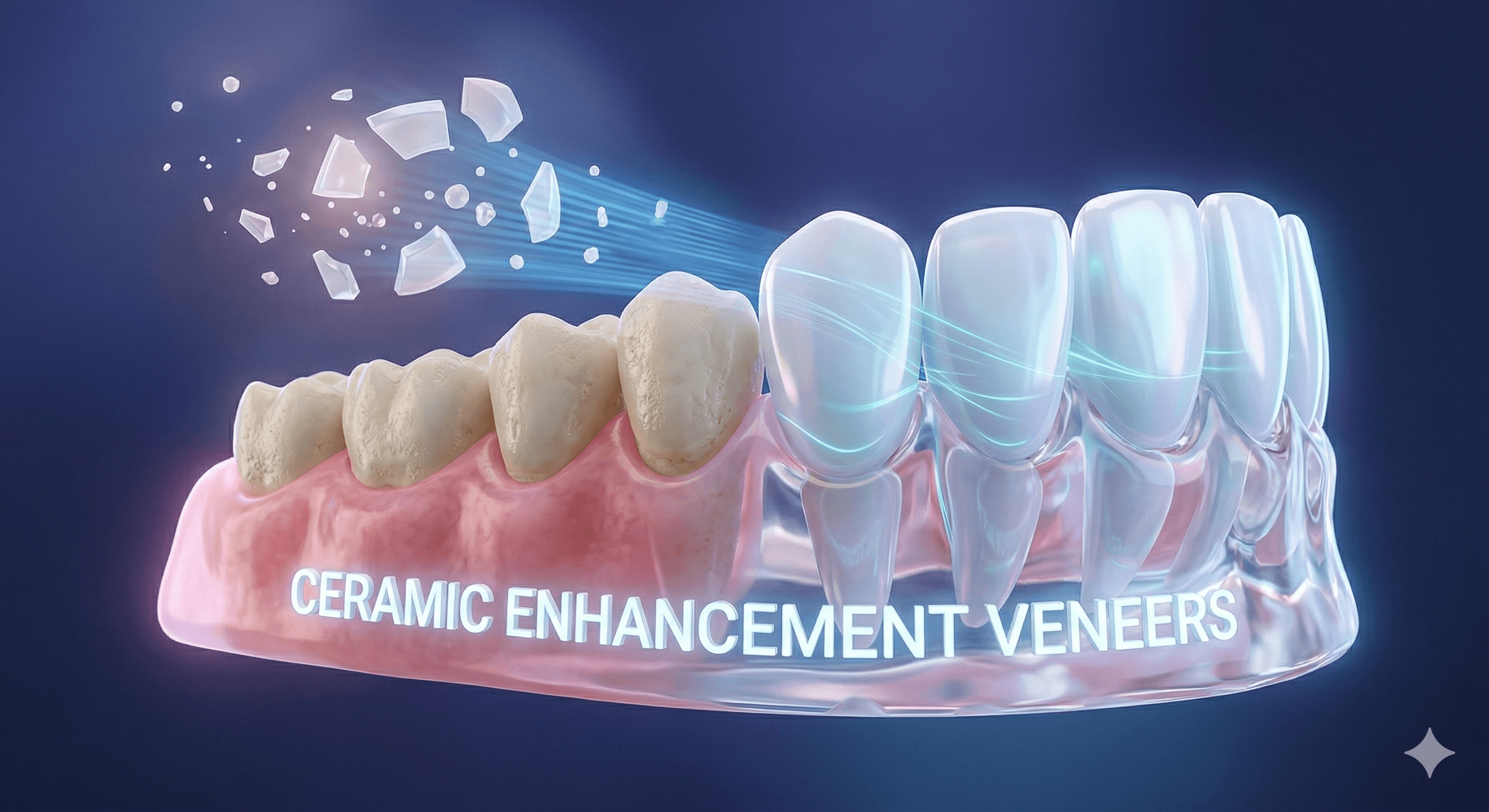
Enhances smile appearance
Improves confidence
Provides long-term dental stability
How Long Does Treatment Take?
Treatment duration varies depending on complexity. Full mouth reconstruction in Borivali West can take several months to over a year.
Maintaining Results After Reconstruction
Maintaining results requires regular visits to a dentist in Borivali West and proper oral hygiene.
Conclusion
Full mouth reconstruction in Borivali West is a life-changing solution for patients with complex dental issues. It restores function, aesthetics, and confidence with advanced dental care.
Frequently Asked Questions (FAQs)
What is full mouth reconstruction?
It is a complete dental treatment plan to restore oral health and function.
Who needs it?
Patients with multiple dental problems or missing teeth.
Is the process painful?
Modern dentistry ensures minimal discomfort.
How long does it take?
It can take several months depending on treatment.
What treatments are included?
Implants, crowns, bridges, and more.
Is it cosmetic?
It is primarily functional but also improves appearance.
Can it improve chewing?
Yes, it restores proper bite function.
Does it replace missing teeth?
Yes, through implants or bridges.
How long do results last?
With proper care, results can last many years.
Can it improve speech?
Yes, by restoring proper tooth alignment.
Is it suitable for older adults?
Yes, if overall health is good.
Is follow-up needed?
Yes, regular dental visits are essential.