Introduction
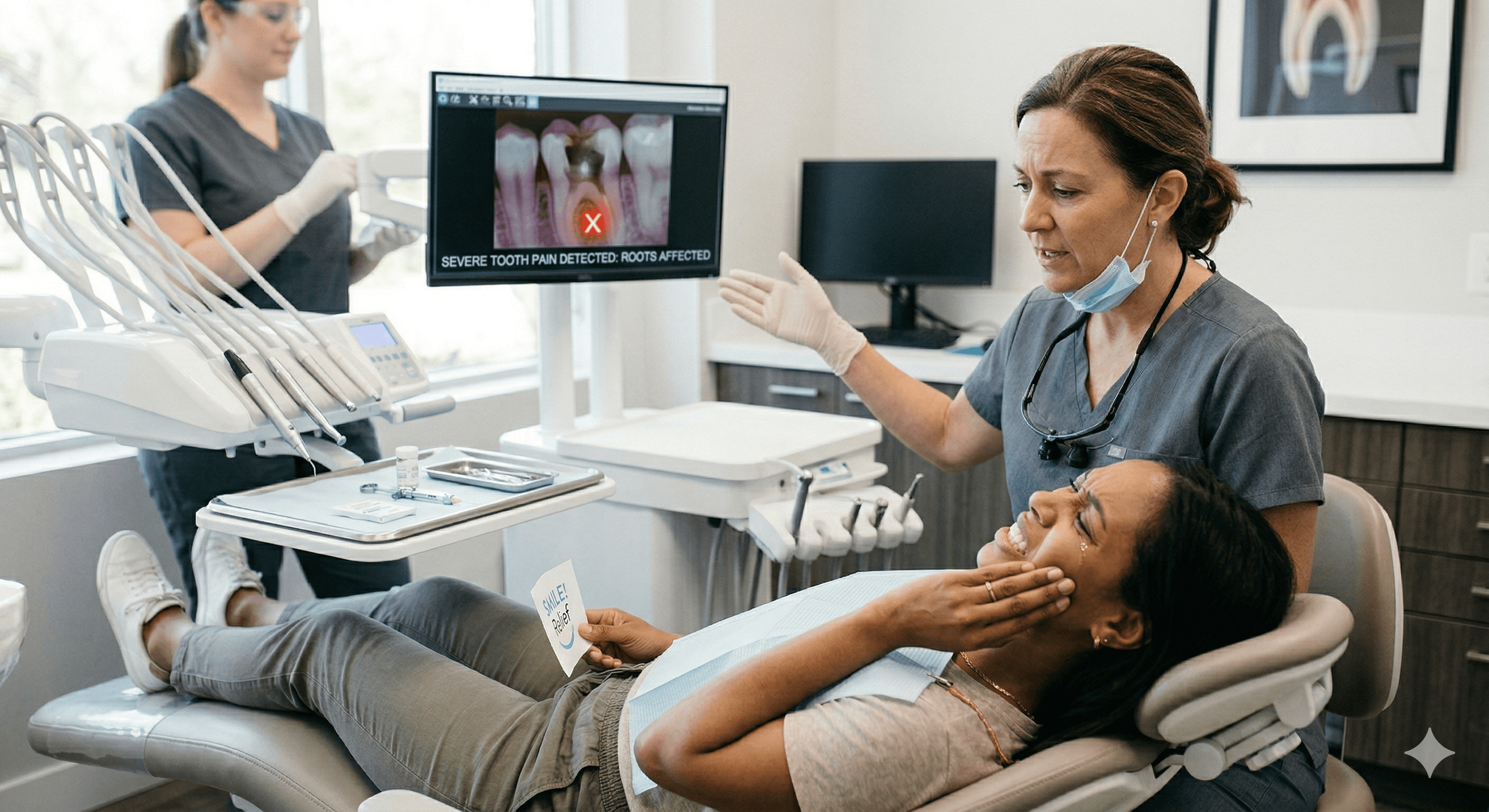
Healthy teeth are essential for chewing, speaking clearly, and maintaining your overall confidence. However, our teeth endure a massive amount of stress over a lifetime. Damage due to severe decay, traumatic fractures, or eventual tooth loss can significantly affect both the mechanical function of your bite and the aesthetic appearance of your smile, requiring treatment at a dental clinic in Borivali West.
When a tooth is compromised beyond what a simple filling can repair, or when a tooth is entirely missing, advanced restorative dentistry steps in. Dental crowns and bridges in Borivali West are among the most reliable, time-tested restorative solutions available at a dental clinic near Kandivali and Dahisar. They are custom-engineered to strengthen failing teeth, seamlessly restore functionality, and improve the overall look and balance of your smile with the help of a dentist in Borivali West.
Understanding Dental Crowns
A dental crown is essentially a custom-made 'cap' that completely encases a damaged or weakened tooth above the gum line at a dental clinic in Borivali West. Think of it as a protective helmet that restores the tooth's original shape, size, strength, and appearance.
Once cemented into place, a crown becomes the new visible outer surface of the tooth, absorbing the forces of chewing while protecting the vulnerable natural tooth structure underneath from further bacterial infection or physical fracturing with treatment from a dentist in Borivali West.
When Are Dental Crowns Recommended?
Protecting weak teeth from breaking, especially after extensive decay at a dental clinic in Borivali West
Holding together parts of a cracked or severely fractured tooth
Restoring teeth that have been severely worn down by grinding (bruxism)
Supporting and protecting a tooth after a root canal treatment in Borivali West
Anchoring a dental bridge securely in place
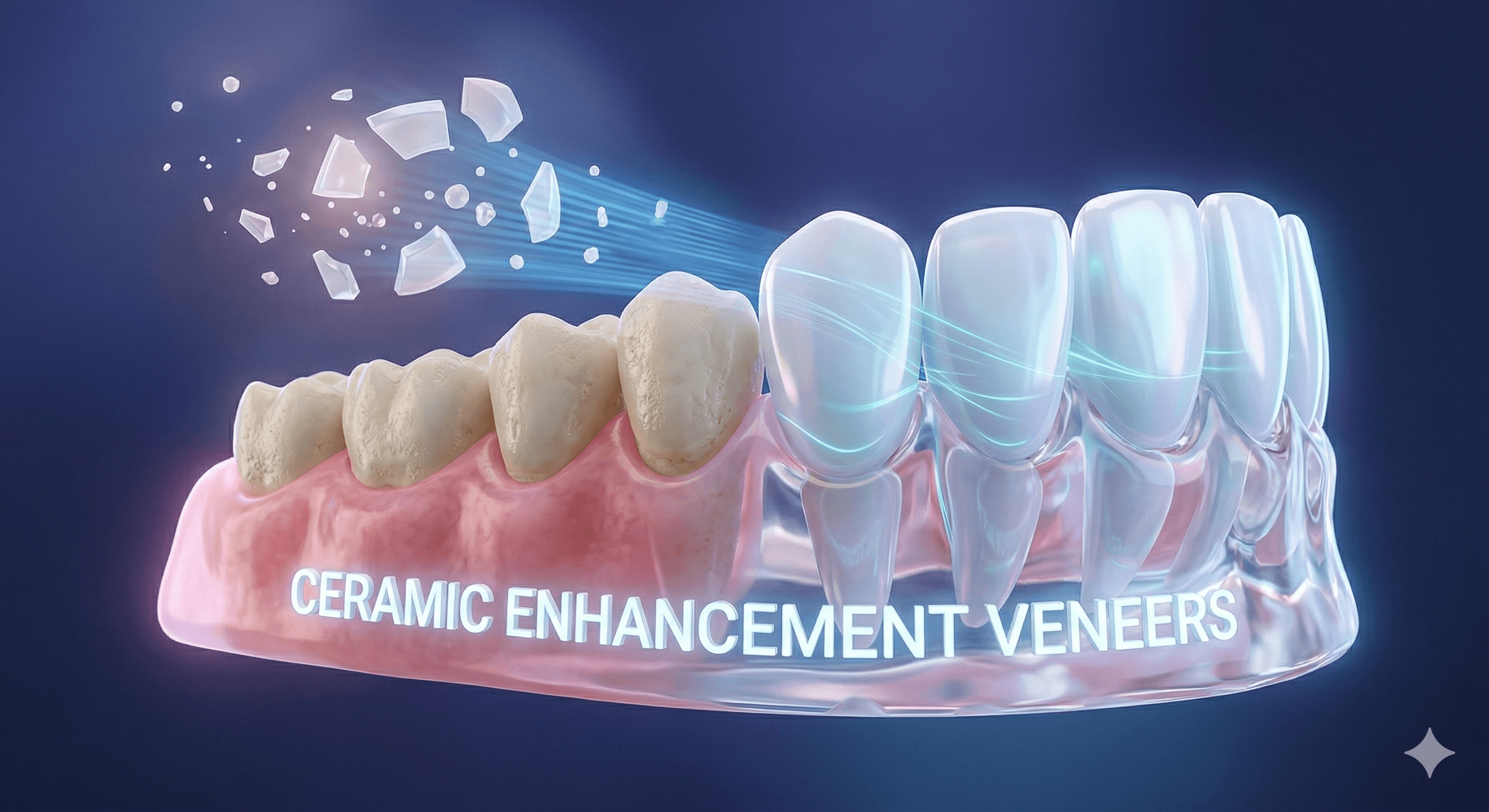
Covering and concealing misshapen or severely discolored teeth for a cosmetic upgrade
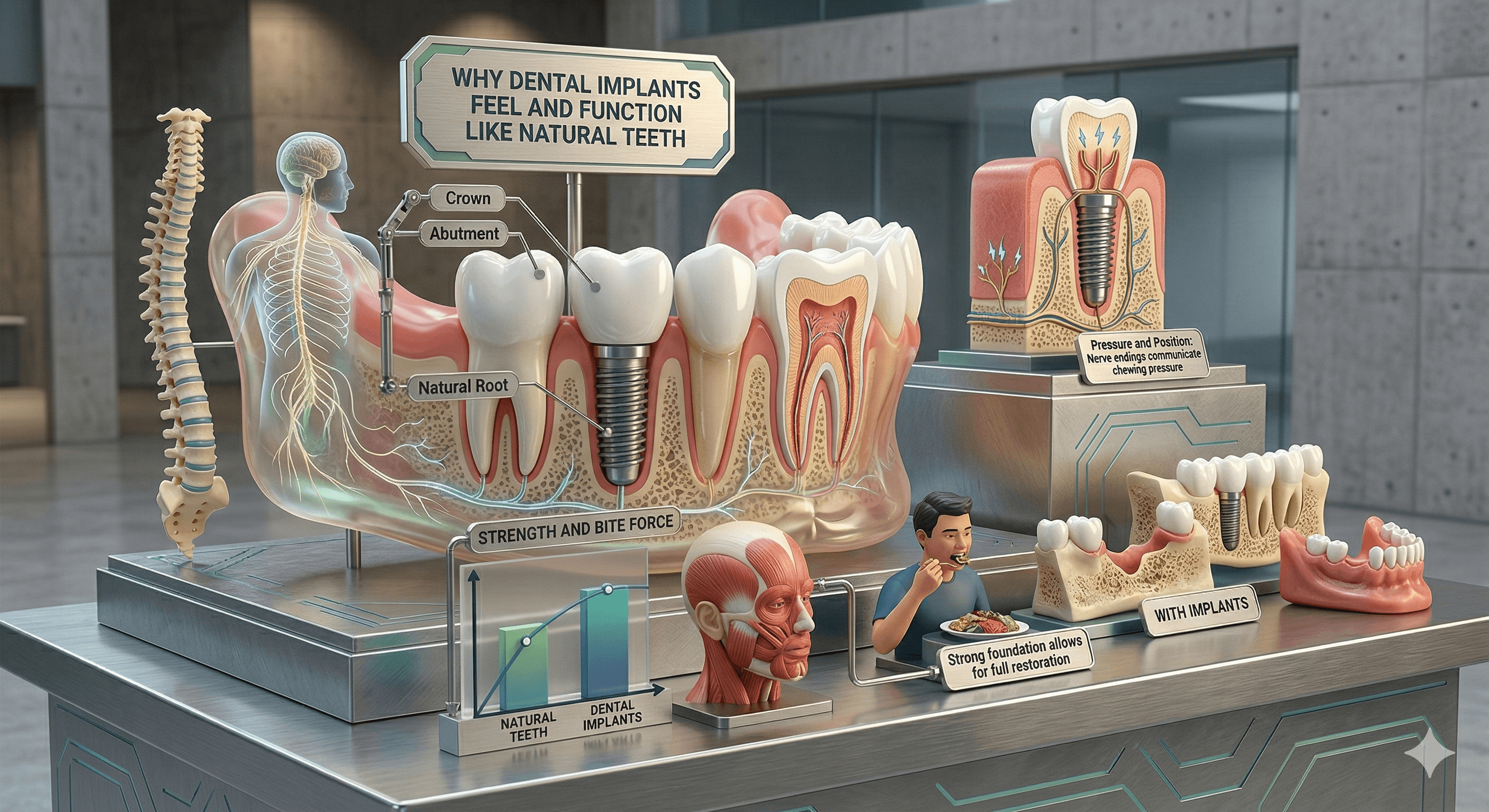
Serving as the functional, visible tooth on top of a dental implant in Borivali West
Types of Dental Crowns
Modern dentistry offers a variety of materials for dental crowns, each suited to different aesthetic needs and functional requirements in the mouth at a dental clinic in Borivali West.
All-Porcelain / All-Ceramic Crowns
These provide the best natural color match of any crown type and mimic the light-reflecting properties of natural enamel at a dental clinic in Borivali West.
Zirconia Crowns
Zirconia is a type of crystal that is incredibly strong and virtually indestructible, commonly used by dentists in Borivali West for long-lasting restorations.
Understanding Dental Bridges
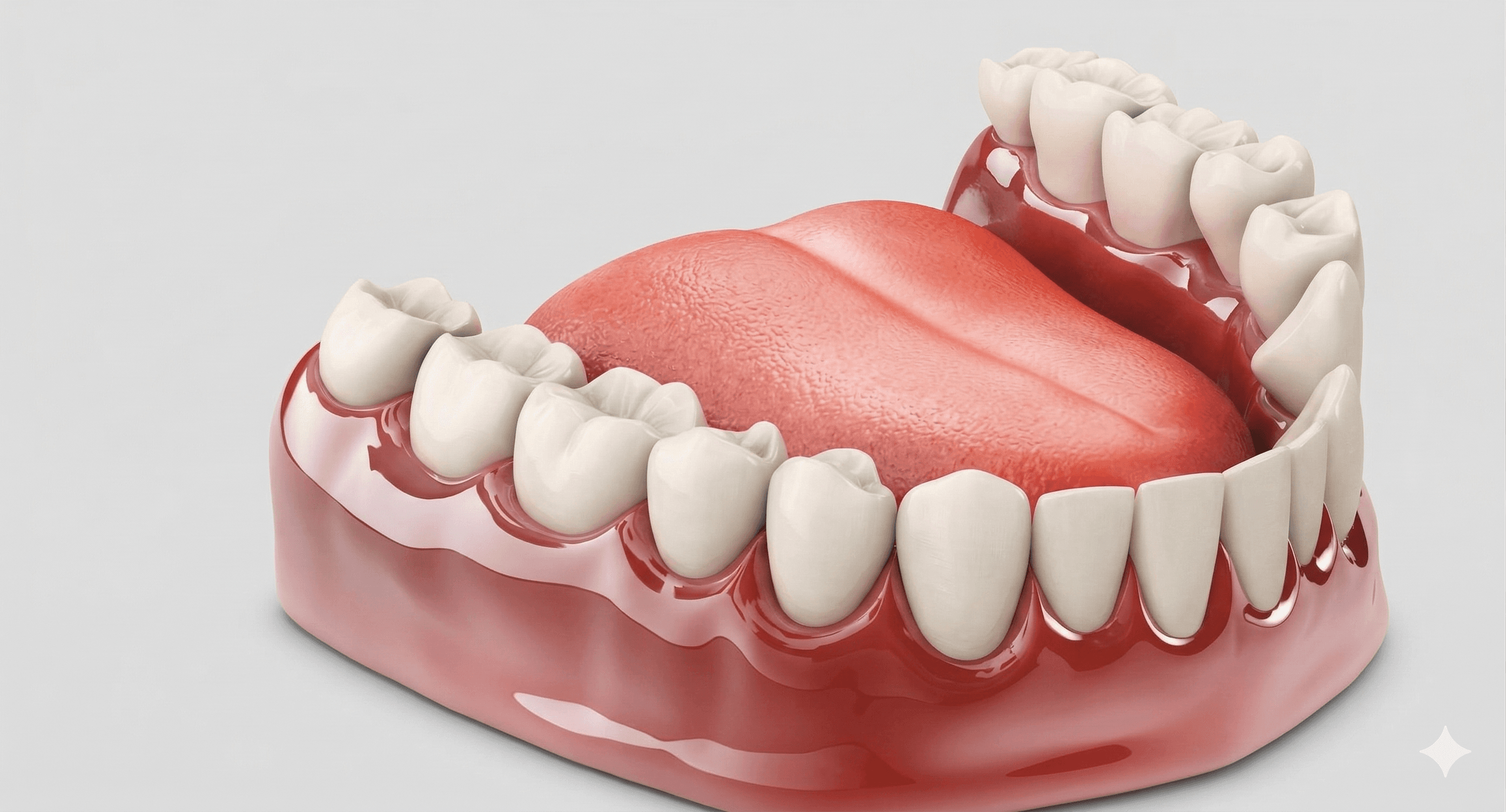
When you lose a tooth, the empty space can cause significant issues. A dental bridge literally 'bridges' the gap created by one or more missing teeth at a dental clinic in Borivali West.
Why Replacing Missing Teeth with a Bridge is Crucial
Restores your smile and prevents facial sagging
Restores your ability to properly chew food and speak clearly
Maintains the shape of your face
Prevents remaining teeth from drifting out of position with treatment at a dental clinic near Kandivali and Dahisar
The Crown and Bridge Procedure: Step-by-Step
The process for getting a crown or bridge usually requires visits to a dentist in Borivali West.
How Long Do Crowns and Bridges Last?
A well-made crown or bridge can last many years with proper care and regular visits to a dental clinic in Borivali West.
Caring for Your Restorations
Maintaining oral hygiene and visiting a dentist in Borivali West regularly ensures long-lasting results.
Conclusion
Dental crowns and bridges in Borivali West are effective solutions for restoring damaged and missing teeth, improving both function and appearance with treatment at a trusted dental clinic near Kandivali and Dahisar.
Frequently Asked Questions (FAQs)
What is the difference between a crown and a bridge?
A dental crown covers and protects a single damaged tooth, while a dental bridge replaces one or more missing teeth by using adjacent teeth or implants for support.
Are crowns and bridges permanent?
Crowns and bridges are fixed restorations and are considered long-term solutions, though they may eventually need replacement due to normal wear.
Is the procedure painful?
No, the procedure is generally comfortable because local anesthesia is used during treatment. Some mild sensitivity may occur afterward.
Do crowns and bridges look natural?
Yes, modern crowns and bridges are designed to match the color, shape, and appearance of your natural teeth for a seamless look.
How long does the process take?
The traditional process usually takes two visits over about two weeks, although some clinics may offer same-day crowns.
How long do bridges usually last?
With good oral hygiene and regular dental visits, bridges typically last 10 to 15 years and often much longer.
Can a crown break?
Yes, although crowns are strong, they can chip or break if exposed to extreme force, trauma, or very hard foods.
Can I eat normally after getting a crown or bridge?
Yes, once the permanent restoration is placed and fully set, you can eat normally, though it is best to be careful with very sticky or hard foods.
Do they require special care?
Crowns need normal brushing and flossing. Bridges require a little extra care underneath the false tooth, often using a floss threader or water flosser.
Can a bridge replace multiple missing teeth?
Yes, a bridge can replace one, two, or sometimes several consecutive missing teeth depending on the support available.
Do I always need a crown after a root canal?
Usually yes, because a root canal-treated tooth becomes weaker and more brittle, and a crown helps protect it from fracture.
What should I do if my crown falls off?
Keep the crown safe and contact your dentist as soon as possible. Do not try to glue it back with household adhesives.