Introduction
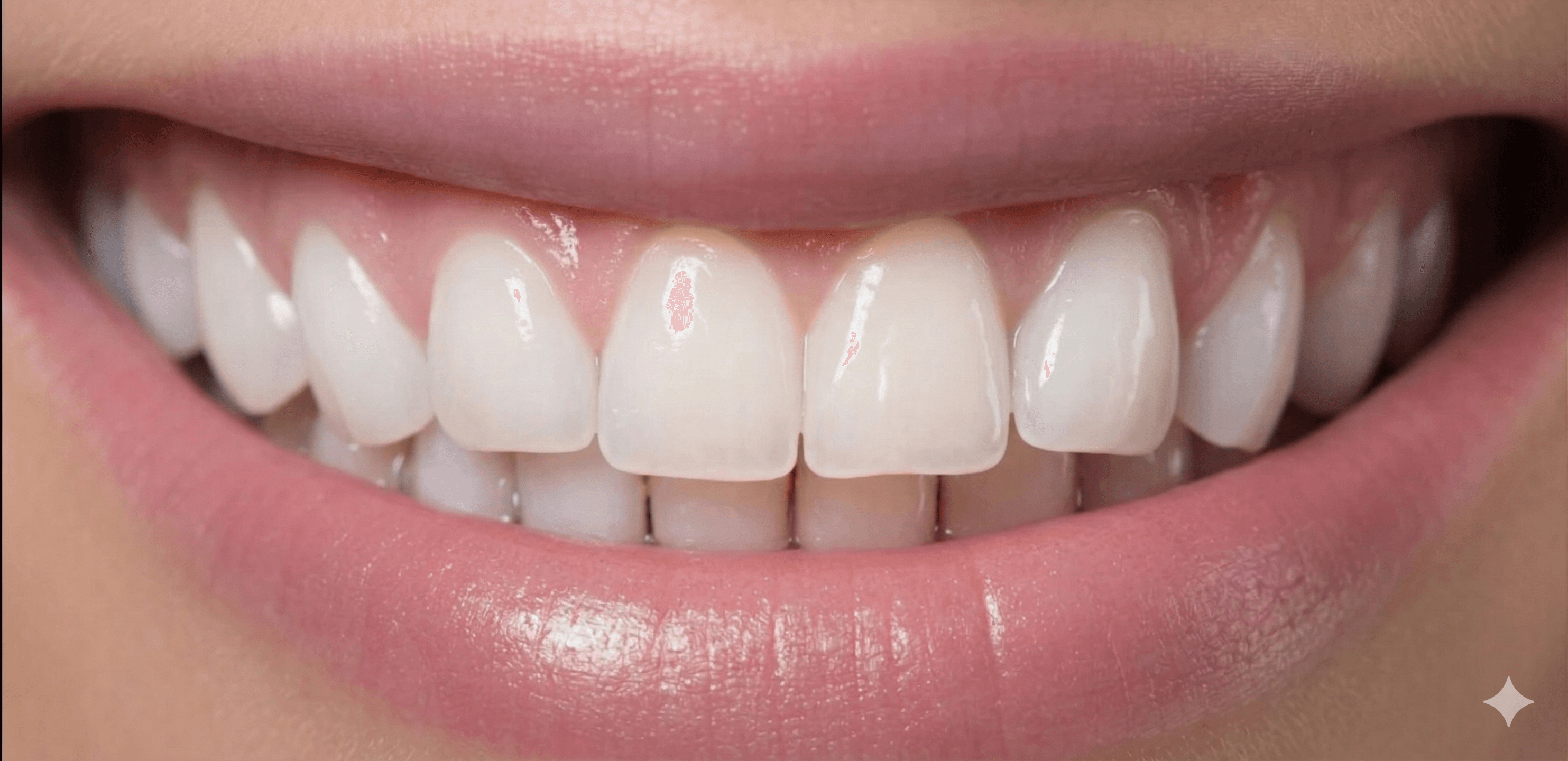
A straight, well-aligned smile is often immediately associated with confidence, beauty, and good oral health. When we think of braces or clear aligners, the first benefit that comes to mind is almost always cosmetic. However, orthodontic treatment is about much more than just improving the appearance of your teeth.
Properly aligned teeth play an essential role in maintaining healthy gums, efficient chewing, clear speech, and overall dental function. In fact, the alignment of your jaw and teeth directly impacts your digestive system, your respiratory function, and even the frequency of tension headaches you might experience.
Many individuals experience problems such as crooked teeth, severe overcrowding, prominent gaps, or bite misalignment (malocclusion). These structural issues can make it incredibly difficult to maintain proper oral hygiene and may drastically increase the risk of tooth decay, gum disease, and uneven enamel wear over time.
Understanding Orthodontic Treatment
Orthodontic treatment is a specialized branch of dentistry that focuses on diagnosing, preventing, and correcting irregularities in the alignment of teeth and jaws. By using specialized appliances that apply gentle, controlled pressure over time, orthodontics can reshape the jawbone and move teeth into their ideal physiological positions.
Common orthodontic issues, clinically known as malocclusions ('bad bites'), include:
Crooked or twisted teeth
Overcrowded teeth (when there is insufficient space in the jaw)
Diastema (large gaps or spaces between teeth)
Overbite (upper front teeth excessively overlap the lower teeth)
Underbite (lower teeth protrude past the upper front teeth)
Crossbite (upper teeth fit inside the lower teeth when biting down)
Open bite (front teeth do not touch when the back teeth are closed)
Misaligned jaw structure causing facial asymmetry
Types of Orthodontic Treatments
Modern orthodontics offers a variety of solutions tailored to an individual's specific clinical needs, lifestyle, and aesthetic preferences. Gone are the days when heavy metal bands were the only option.
Traditional Metal Braces
Traditional braces consist of high-grade stainless steel brackets glued to the front of the teeth, connected by archwires and elastic bands. They are periodically tightened to gently pull teeth into alignment.
Highly effective for resolving severe and complex bite issues
Offer the most reliable, precise, and predictable results
Cost-effective and suitable for patients of all age groups
Cannot be removed by the patient, ensuring continuous treatment
Ceramic (Clear) Braces
Ceramic braces function exactly like traditional metal braces, but the brackets are made from clear or tooth-colored ceramic material. This makes them much less noticeable on the teeth, making them a popular choice for older teenagers and adults who want a more discreet option.
Lingual Braces
Lingual braces are completely invisible from the outside because the metal brackets and wires are custom-fitted to the back (lingual) side of the teeth. They are excellent for professionals who require a completely hidden treatment, though they can be harder to clean and may temporarily affect speech.
Clear Aligners (e.g., Invisalign)
Clear aligners are a series of custom-made, transparent, and removable plastic trays that gradually shift teeth into alignment without wires or brackets.
Nearly invisible appearance for maximum discretion
Completely removable for eating, drinking, brushing, and flossing
No dietary restrictions since the trays are taken out during meals
Smooth, comfortable design that doesn't irritate the cheeks or gums
Why Straight Teeth Matter for Oral Health
The functional benefits of orthodontics extend far beyond a beautiful smile. Investing in a straight smile is essentially an investment in the long-term health and survival of your teeth.
Easier Oral Hygiene: Crooked and overlapping teeth create tight crevices where a toothbrush and floss simply cannot reach. Straight teeth are significantly easier to clean, vastly reducing the buildup of plaque, tartar, and cavity-causing bacteria.
Reduced Gum Disease Risk: When teeth are crowded or spaced too far apart, the gums can become inflamed, red, and prone to bleeding. Proper alignment allows the gums to fit securely around the teeth, protecting against periodontal disease and potential tooth loss.
Improved Chewing and Digestion: Digestion begins in the mouth. If your upper and lower teeth don't meet properly, you cannot break down food efficiently. This can lead to digestive issues, acid reflux, and poor nutrient absorption.
Prevents Abnormal Tooth Wear: A misaligned bite causes certain teeth to bear more biting force than others. Over time, this uneven pressure leads to premature wearing away of the dental enamel, chipping, and fractures.
Reduces Jaw Strain and TMJ Disorders: A bad bite forces the jaw muscles to work harder to compensate. This chronic strain can lead to Temporomandibular Joint (TMJ) disorders, triggering chronic jaw pain, clicking sounds, neck pain, and severe tension headaches.
Who Can Benefit from Orthodontic Treatment?
A common misconception is that braces are strictly a 'rite of passage' for teenagers. In reality, orthodontic treatment can be life-changing at almost any age.
Children (Early Intervention): The American Association of Orthodontists recommends a child's first check-up by age 7. Phase 1 interceptive orthodontics can guide proper jaw growth, create room for incoming permanent teeth, and prevent severe issues later.
Teenagers: The most common age for braces, as most permanent teeth have erupted. The jaw is still growing, making it an ideal time to shift teeth efficiently.
Adults: It is never too late to fix your smile. Today, roughly one in four orthodontic patients is an adult. With modern, discreet options like clear aligners and ceramic braces, adults can improve their oral health and confidence without disrupting their professional lives.
The Orthodontic Treatment Process
Initial Consultation: A comprehensive evaluation of your bite, facial structure, and goals.
Diagnostic Records: The orthodontist takes 3D digital scans, panoramic X-rays, and photographs to map out the exact movement of every tooth.
Treatment Planning: A personalized strategy is created. For clear aligners, you will see a digital 3D simulation of your expected results before treatment even begins.
Active Treatment Phase: Braces are bonded to the teeth or the first set of aligners is provided. You will visit the clinic every 4 to 8 weeks for adjustments or to receive new aligner trays.
Retention Phase: Once the active treatment is complete and the teeth are straight, wearing a retainer is absolutely crucial to prevent the teeth from shifting back to their original positions.
How Long Does Orthodontic Treatment Take?
There is no universal timeline for orthodontics, as every mouth is unique. Minor cosmetic adjustments might take as little as 6 months using clear aligners. However, most comprehensive orthodontic treatments to correct bite alignment take between 12 and 24 months. Following your orthodontist's instructions—like wearing your aligners for the required 22 hours a day or avoiding broken brackets—is the best way to ensure your treatment finishes on time.
Caring for Teeth During Orthodontic Treatment
Maintaining excellent oral hygiene is critical while wearing braces or aligners. Failing to clean properly can result in permanent white stain marks (decalcification) on the teeth once the braces are removed.
Brush after every single meal using a fluoride toothpaste to clear trapped food particles
Use specialized tools like interdental brushes (Proxabrushes) and orthodontic floss threaders to clean beneath the wires
Consider investing in a water flosser (oral irrigator) to flush out stubborn debris
For patients with braces, avoid sticky, chewy, or hard foods (like caramel, gum, popcorn kernels, and ice) that can snap wires and break brackets
For aligner patients, only drink plain water while the trays are in your mouth to prevent staining the plastic and trapping sugars against the enamel
Conclusion
Orthodontic treatment offers far more than cosmetic benefits. By correcting severe alignment and bite issues, it fundamentally improves your ability to maintain oral hygiene, enhances chewing function, relieves joint pain, and safeguards your long-term dental health against decay and wear.
With a wide array of modern, comfortable, and discreet solutions like ceramic braces and clear aligners, achieving a beautifully straight and structurally healthy smile is more convenient and accessible than ever before.
Frequently Asked Questions (FAQs)
What exactly is orthodontic treatment?
It is a branch of dentistry focused on diagnosing and treating dental and facial irregularities, primarily misaligned teeth and improper bite patterns.
Are braces only for children and teens?
Absolutely not. Healthy teeth can be moved at any age. A large percentage of orthodontic patients today are adults.
What are clear aligners?
They are a series of custom, transparent plastic trays worn over the teeth that gradually apply pressure to shift them into the correct position.
How long does the average treatment take?
Depending on the complexity, it usually takes between 12 and 24 months.
Do braces hurt?
The application of braces does not hurt. However, you may experience mild soreness or pressure for a few days after they are first applied or adjusted.
Can I eat normally with braces?
You will need to modify your diet. Avoid hard, crunchy, sticky, and chewy foods to prevent breaking the brackets or bending the wires.
Are aligners removable?
Yes, you must remove them to eat, drink anything other than water, and brush your teeth.
Do straight teeth actually improve oral health?
Yes, they are significantly easier to clean, which reduces plaque accumulation, lowers the risk of cavities, and prevents gum disease.
Will I definitely need a retainer after treatment?
Yes. Teeth have a natural memory and will try to shift back (relapse). Retainers hold them in their new permanent position.
Can orthodontics fix painful bite problems like TMJ?
Yes, correcting a bad bite can relieve the strain on your jaw joints, reducing TMJ symptoms, headaches, and facial pain.
Are clear aligners as effective as traditional metal braces?
For mild to moderate crowding and spacing, they are very effective. However, complex bite issues or severe rotations may still require traditional braces.
Can orthodontic treatment improve my facial structure?
Yes, correcting an overbite, underbite, or crossbite can significantly improve facial symmetry and the profile of your jawline.