Introduction
A beautiful, radiant smile can make a powerful difference in both your personal confidence and your overall appearance. When you feel good about your teeth, you are more likely to share your smile with the world, leaving lasting positive impressions. Modern dental treatments, such as comprehensive smile designing, allow individuals to drastically improve the shape, color, proportion, and alignment of their teeth to achieve a perfectly balanced and aesthetically pleasing look at a dental clinic in Borivali West.
Smile designing is not just a single procedure, but often a highly customized combination of treatments such as porcelain veneers, professional teeth whitening, dental crowns, invisible orthodontics, and even gum contouring. Because you have invested significant time, emotion, and finances into achieving your dream smile, protecting that investment is crucial with proper guidance from a dentist in Borivali West.
However, the journey doesn't end once you leave the dentist's chair. Maintaining these stunning results requires proper, ongoing oral care and consistent daily habits. Just like natural teeth, cosmetic enhancements require love and attention to stay flawless after smile designing treatment in Borivali West.
Understanding Smile Designing
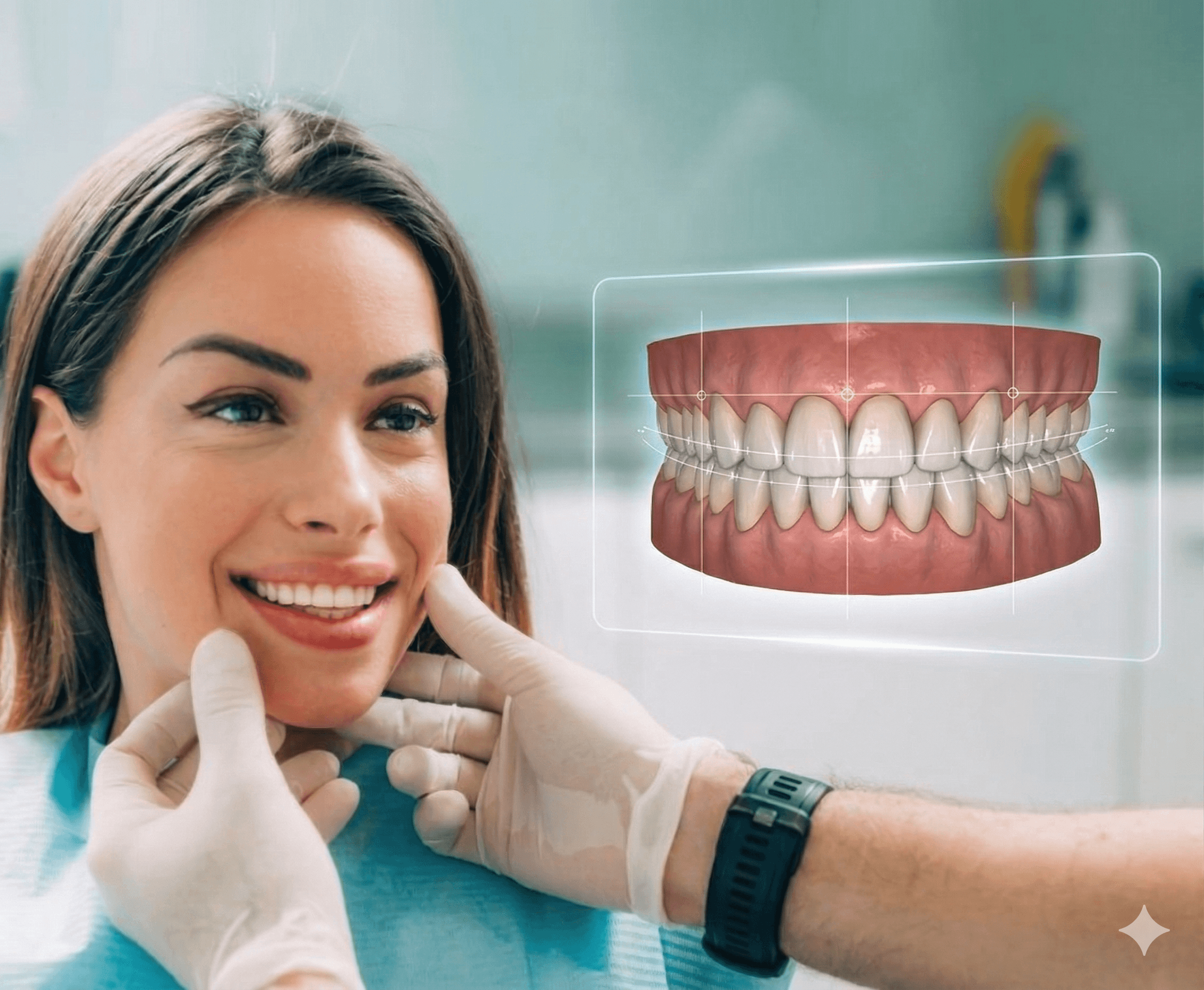
Smile designing is a bespoke cosmetic dental process that enhances the appearance of a person’s smile using multiple procedures tailored to their unique facial features, skin tone, and dental needs at a dental clinic in Borivali West.
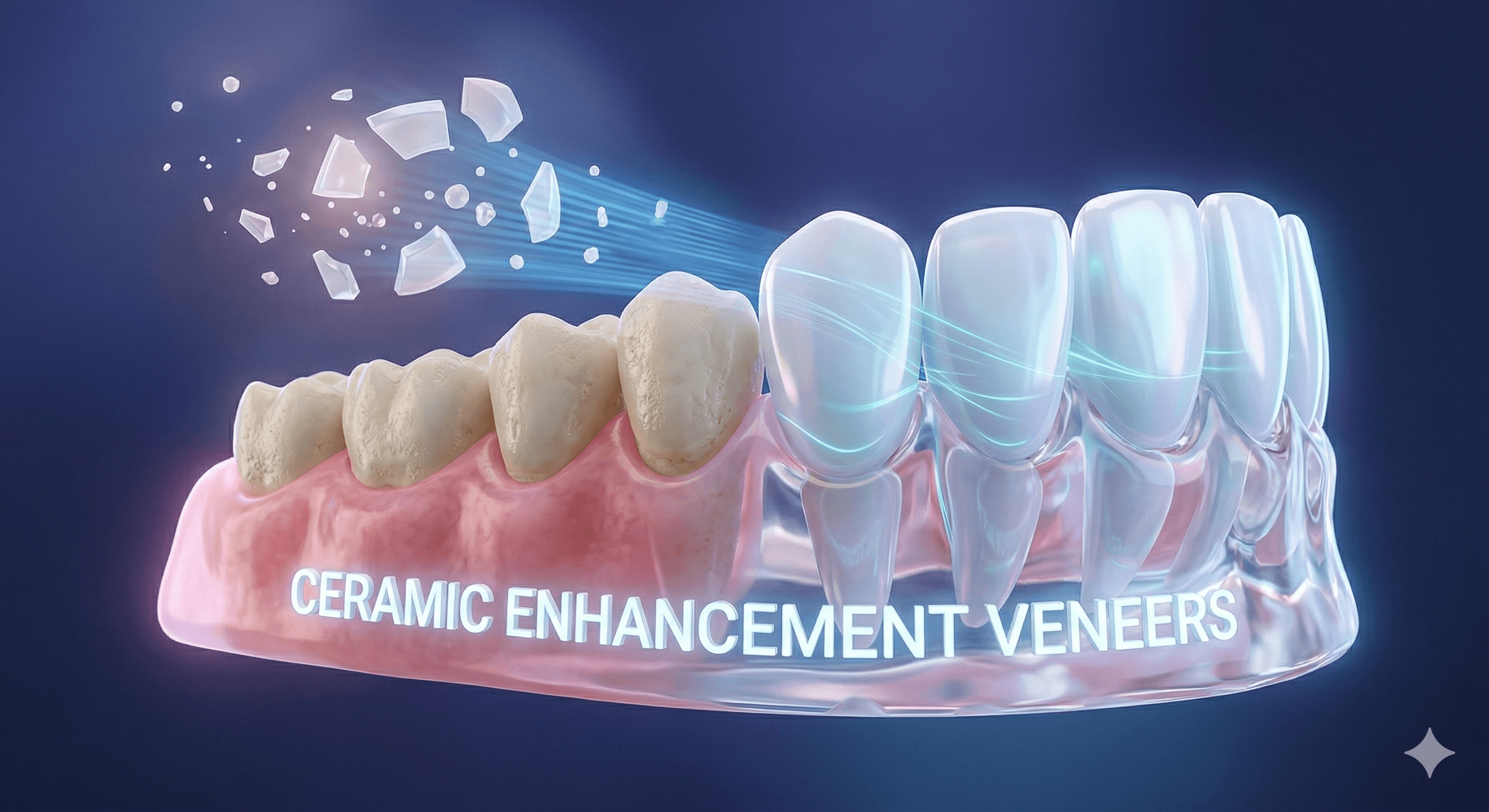
Dental Veneers: Ultra-thin porcelain or composite shells bonded to the front of teeth to fix chips, gaps, or severe discoloration.
Teeth Whitening: Professional bleaching to lift deep stains and brighten the natural enamel.
Orthodontic Treatment: Clear aligners or braces to correct misalignments and bite issues.
Dental Crowns or Bonding: Restoring the structural integrity and shape of severely damaged teeth.
Gum Contouring: Reshaping an uneven gum line or reducing a "gummy" smile using precise laser technology.
The ultimate goal is to create a smile that is both visually stunning and functionally balanced, working in perfect harmony with your natural bite and facial symmetry through smile designing in Borivali West.
Why Post-Treatment Care Is Absolutely Crucial
Proper aftercare is essential to maintain the longevity and brilliance of your smile designing results. While materials like high-grade porcelain are incredibly durable and stain-resistant, the underlying natural tooth structure and surrounding gum tissues are still vulnerable to disease. Without good oral hygiene and mindful care, your results may fade or become damaged after treatment at a dental clinic near Kandivali and Dahisar.
Staining at the Margins: While porcelain resists stains, the bonding cement at the edges of veneers or crowns can absorb pigments over time.
Damage to Restorations: Biting down on inappropriate objects can cause expensive veneers or crowns to chip or fracture.
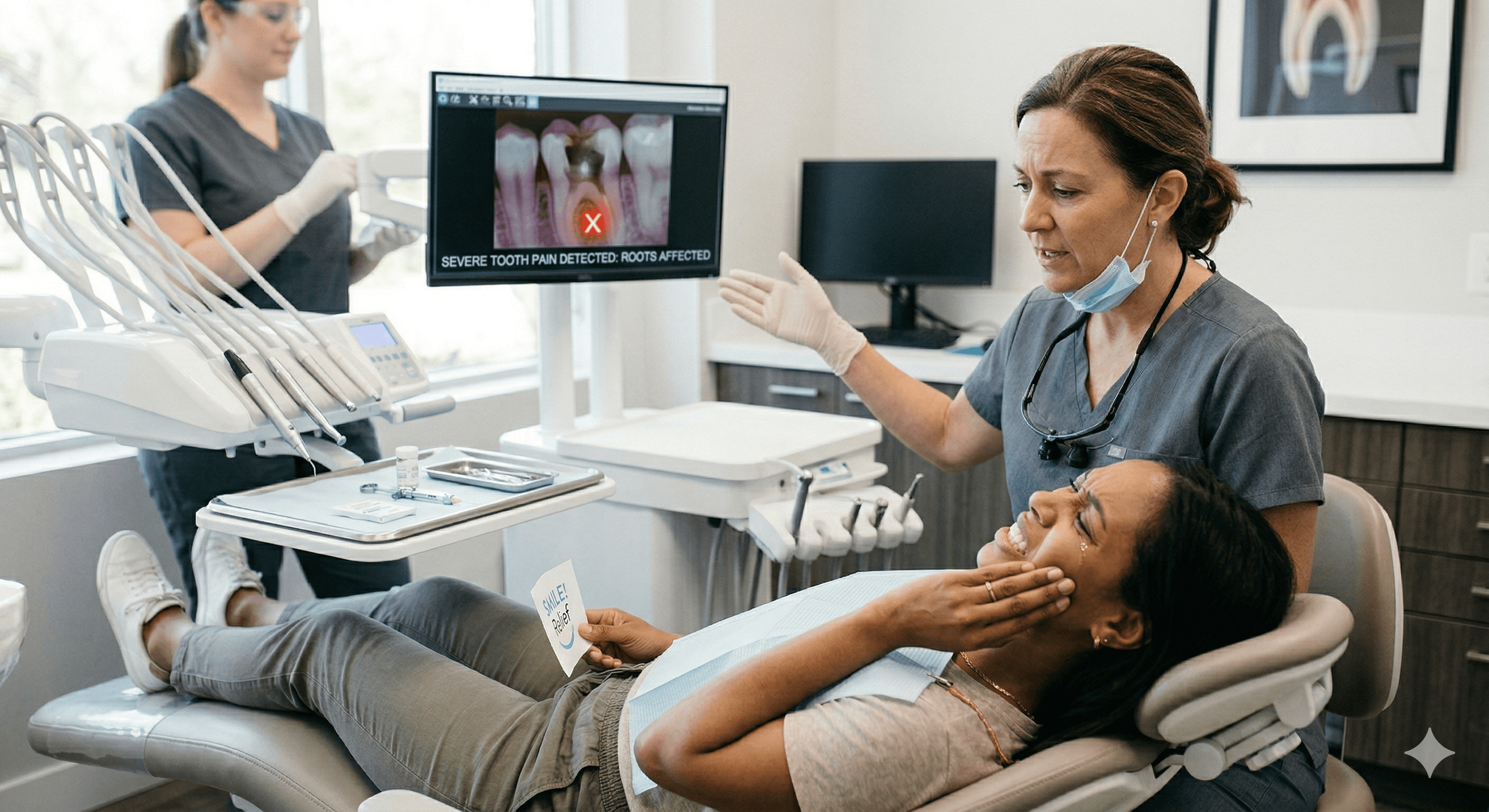
Gum Inflammation (Gingivitis): Plaque buildup around new restorations can cause gums to swell, bleed, or recede, ruining the aesthetic frame of your smile.
Underlying Decay: Cavities can still form on the natural tooth structure beneath or behind your cosmetic work.
Daily Oral Hygiene Habits
Brush Properly with the Right Tools: Brush twice daily using a soft-bristled toothbrush. Avoid abrasive whitening toothpastes (like those containing charcoal or baking soda), as these can scratch the polished surface of your veneers or bonding, making them look dull and more prone to staining.
Floss Religiously: Flossing removes plaque and food particles from tight areas where brushing cannot reach. If you have dental bridges or bonded teeth, consider using a water flosser (oral irrigator) for a gentle, highly effective clean.
Use a Non-Alcoholic Mouthwash: Alcohol-based mouthwashes can degrade the composite bonding materials over time and dry out your mouth. Opt for an alcohol-free, fluoride mouthwash to keep your gums healthy and breath fresh.
Dietary Precautions for a Bright Smile
What you eat and drink plays a massive role in the lifespan of your cosmetic dental work. Certain foods, beverages, and habits can stain your natural teeth (creating a mismatch with your restorations) or weaken the bonding agents after smile designing in Borivali West.
Limit Dark Beverages: Coffee, black tea, red wine, and dark sodas are notorious for leaving stains. If you do indulge, try drinking through a reusable straw to bypass your front teeth.
Watch Out for Highly Pigmented Foods: Foods like berries, curry, soy sauce, and balsamic vinegar can leave lasting pigments. Rinse your mouth with water immediately after eating them.
Beware of Acidic Foods: Citrus fruits, tomatoes, and vinegar-based dressings can temporarily soften your enamel. Wait at least 30 minutes before brushing after an acidic meal to avoid wearing down the tooth structure.
Avoid All Tobacco Products: Smoking or chewing tobacco will quickly yellow your natural teeth and discolor the margins of your cosmetic restorations, drastically reducing their lifespan.
Protect Your Teeth from Physical Damage
Cosmetic restorations are strong, but they are not indestructible. Treating your teeth like tools is a quick way to ruin your investment after smile designing treatment at a dental clinic in Borivali West.
Never Chew Hard Objects: Avoid chewing on ice, pens, pencils, or your fingernails. The localized pressure can easily chip porcelain or composite resin.
Do Not Use Teeth as Tools: Never use your teeth to open packaging, tear tape, or uncap bottles.
Be Cautious with Hard Foods: Cut hard foods like apples, crusty bread, and raw carrots into bite-sized pieces rather than biting directly into them with your front teeth. Be mindful of hidden hazards like popcorn kernels or olive pits.
Use Protective Devices if Needed
If you suffer from bruxism (the unconscious grinding or clenching of teeth, usually during sleep), you put immense stress on your dental work. The force generated during sleep bruxism can easily fracture porcelain veneers or crowns. Your dentist can provide a custom-fitted night guard to cushion your teeth and protect your new smile while you sleep. Additionally, if you play contact sports, a custom athletic mouthguard is absolutely essential after smile designing treatment in Borivali West.
Maintain Regular Dental Checkups
Routine dental visits—typically every six months—are non-negotiable for maintaining a designed smile. Professional oversight ensures that minor issues are caught before they become expensive problems at a dental clinic in Borivali West.
Monitor Restorations: Your dentist will check the integrity of your veneers, crowns, and bonding to ensure they remain securely in place without microscopic leaks.
Early Detection: Catching signs of decay or gum disease early is crucial when you have extensive dental work.
Professional Polishing: Dental hygienists use specialized, non-abrasive polishing pastes designed specifically for cosmetic materials to remove surface stains and restore that 'day one' high-gloss shine.
Healthy Lifestyle Habits for a Lasting Smile
Eat a Balanced, Mineral-Rich Diet: Incorporate plenty of dairy (or calcium equivalents), leafy greens, and lean proteins to support strong jawbones and healthy gum tissues.
Stay Hydrated: Drinking plenty of water throughout the day stimulates saliva production, which is your mouth's natural defense mechanism against plaque, acid, and decay.
Manage Stress: High stress levels often lead to jaw clenching and teeth grinding. Incorporating relaxation techniques like yoga, meditation, or regular exercise can indirectly protect your smile.
Signs That Your Smile Needs Immediate Attention
Even with the best care, unexpected issues can arise. Contact your dentist promptly if you notice any of the following after smile designing treatment in Borivali West:
Chips, Cracks, or Rough Edges: Feeling a sharp edge on a veneer or crown with your tongue.
Changes in Bite Alignment: If your teeth suddenly feel like they don't fit together properly when you close your mouth.
Gum Irritation: Persistent redness, swelling, or bleeding around your restorations, which could indicate trapped bacteria or an allergic reaction.
Persistent Staining or Dullness: If your smile loses its luster and cannot be improved with regular brushing.
Sensitivity: Sudden, sharp pain when consuming hot or cold foods.
Conclusion
Undergoing a smile designing procedure is a transformative experience that can significantly enhance your appearance, self-esteem, and quality of life. However, your new smile requires a partnership between you and your dental team. Maintaining these stunning results requires consistent, gentle oral hygiene, mindful dietary and lifestyle habits, and a commitment to regular dental visits at a trusted dental clinic in Borivali West.
By treating your new smile with the respect and care it deserves, and by following expert professional guidance, you can preserve the structural integrity, functionality, and breathtaking beauty of your teeth for decades to come after smile designing in Borivali West.
Frequently Asked Questions (FAQs)
What exactly is smile designing?
It is a comprehensive, customized cosmetic dental treatment plan that combines various procedures (like veneers, whitening, and crowns) to improve the symmetry, color, and overall appearance of your teeth.
How long do the results of smile designing last?
This heavily depends on the specific treatments used and your daily oral care habits. With excellent care, porcelain veneers and crowns can easily last 10 to 15 years, or even longer.
Can my new cosmetic treatments stain?
While high-quality porcelain is highly stain-resistant, the composite resin used for bonding and the cement lines at the edges of your restorations can pick up stains from coffee, wine, and tobacco.
Is the way I brush my teeth important now?
Absolutely. You must brush twice daily, but it is vital to use a soft-bristled brush and non-abrasive toothpaste to avoid scratching the surface of your restorations.
Are routine dental visits really necessary if my teeth look fine?
Yes! Regular checkups allow your dentist to professionally polish cosmetic materials, clean plaque from hard-to-reach margins, and catch microscopic issues before they cause a restoration to fail.
Can teeth grinding (bruxism) affect my results?
Yes, the extreme pressure of grinding can chip or completely crack porcelain veneers and crowns. A custom night guard is highly recommended.
Are dental veneers a permanent procedure?
Veneers are considered permanent because a tiny amount of natural enamel is removed to place them. While the veneers themselves may need replacing after a decade or more, you will always need a covering on those teeth.
Can I eat normally after my treatment is finished?
Yes, you can enjoy a normal diet. However, you should avoid biting directly into very hard foods (like whole apples or ice) with your front teeth.
What specific foods or drinks should I limit?
To maintain the brightness of your smile, limit dark coffees, black teas, red wines, dark berries, and avoid all tobacco products entirely.
Does smile designing really improve personal confidence?
Yes, significantly. Patients consistently report feeling more outgoing, smiling more freely in photos, and experiencing a boost in both social and professional confidence.